Executor Compensation: How It’s Commonly Handled
Executor Compensation

Clarity over surprise: Executor compensation creates the most conflict when beneficiaries are surprised by it at the very end. Early communication is your best defense. Reimbursement is not compensation: Getting paid back for estate expenses (like buying a death certificate) is entirely separate from being paid for your time and effort. Three common paths: Executors … Read more


When Can an Executor Distribute Money? A Safe Checklist of What To Clear First

When Can An Executor Distribute Money

The big picture: Distribution is not the first step of estate administration; it is the final milestone after all legal and financial obligations are cleared. The core rule: You must clear known debts, wait out the statutory creditor claim window, and handle tax filings before moving any money to heirs. The documentation packet: A clear, … Read more

Letters Reissue or Renewal: When You Need Updated Letters and What to Ask For

Letters Testamentary Reissue

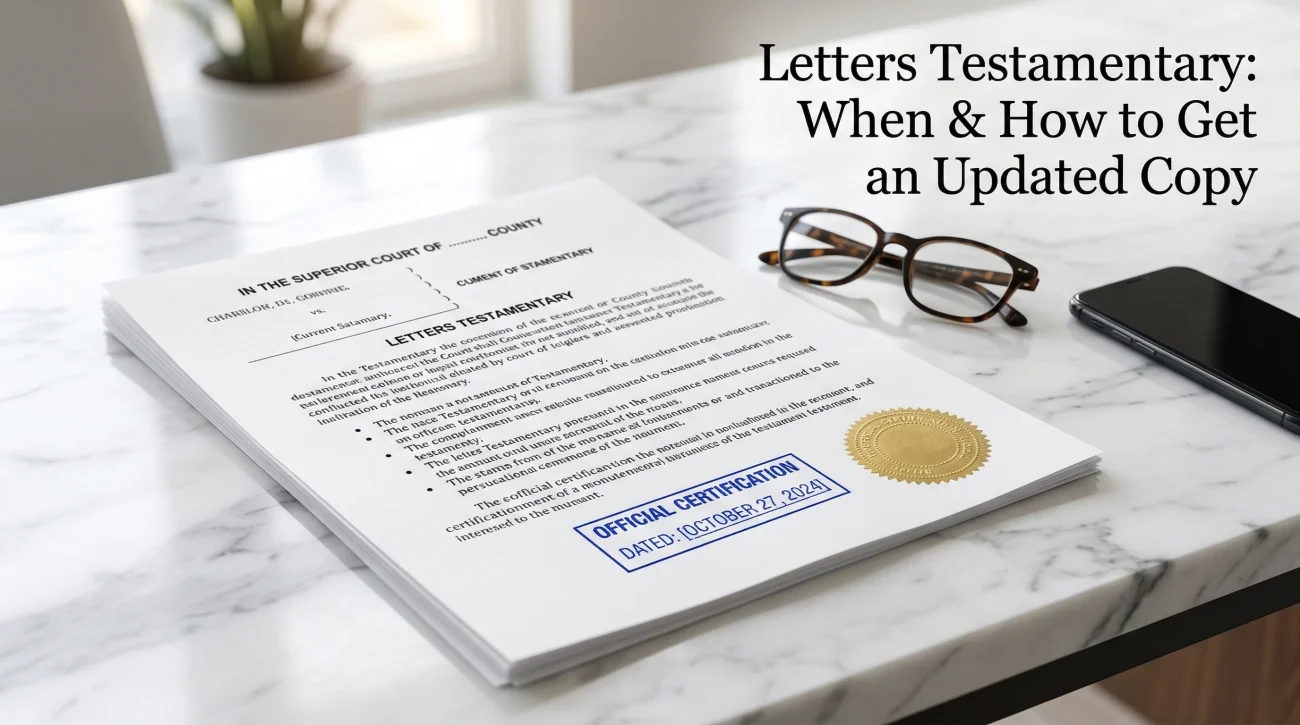
Institutions often reject perfectly valid court documents simply because the certification date is considered “too old” by their internal compliance rules. Courts do not always set expiration dates, but banks, insurers, and title companies frequently demand a recent letters testamentary reissue based on their own risk policies. When requesting updated letters from the court, always … Read more

Proof of Distribution Checklist: How Executors Show What Was Delivered

Proof Of Distribution Executor

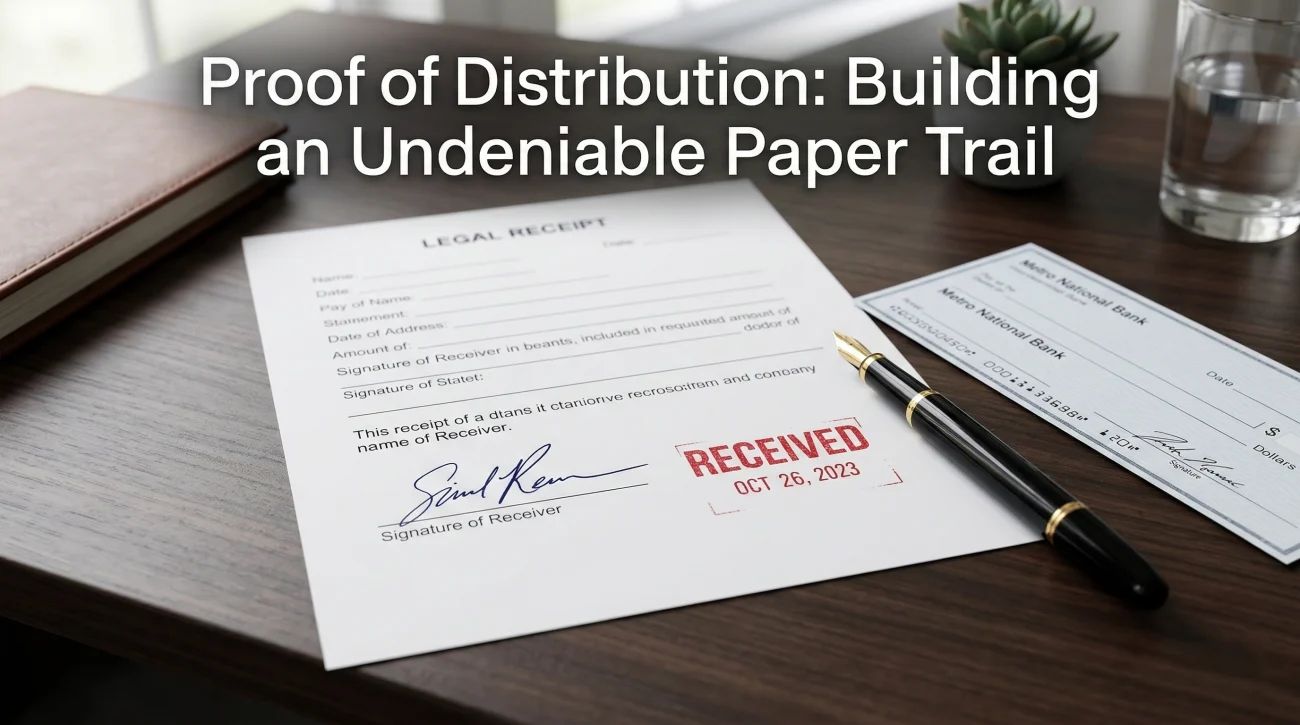
If a distribution cannot be proven with a clear paper trail, it is highly vulnerable to future disputes or accounting questions. A complete proof of distribution executor file usually contains three layers: the bank record, the delivery confirmation, and the signed beneficiary acknowledgement. Never rely on cash distributions or vague bank memos. Every payment must … Read more

Handling Creditor Calls and Collection Letters as Executor: A Calm, Document-First Approach

Handling Creditor Calls And Collection Letters As Executor

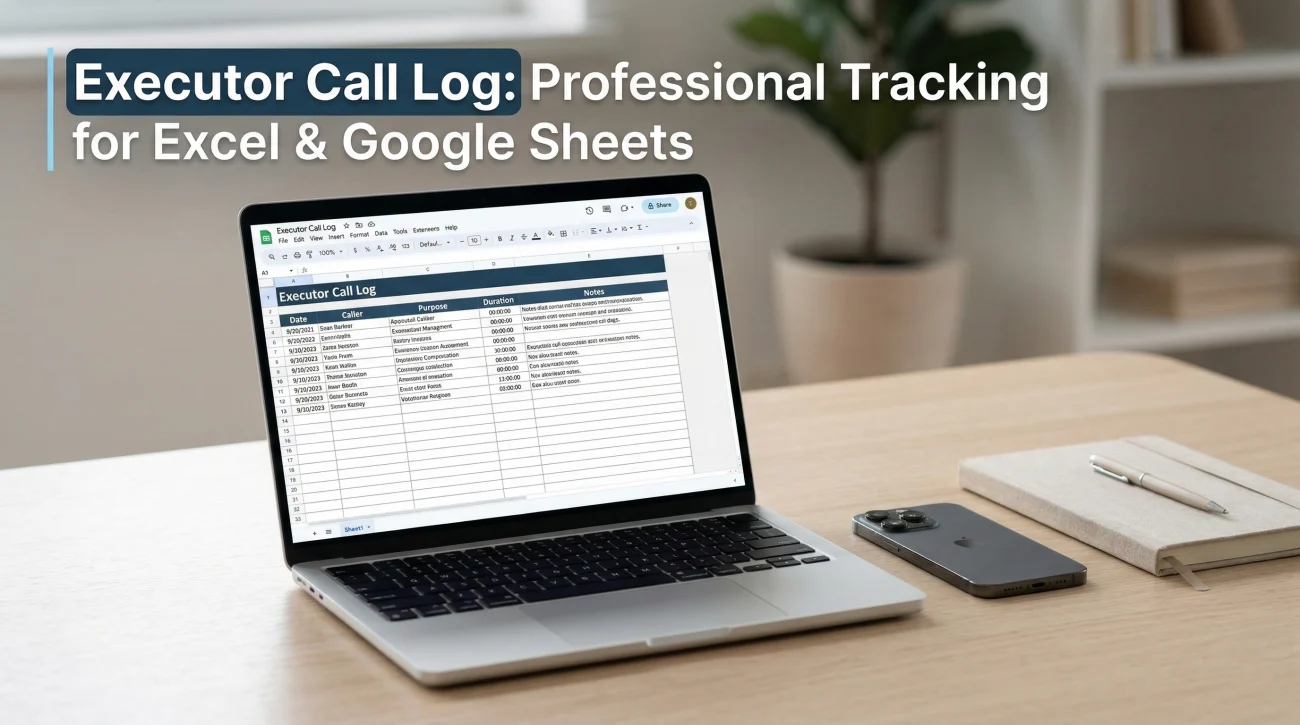
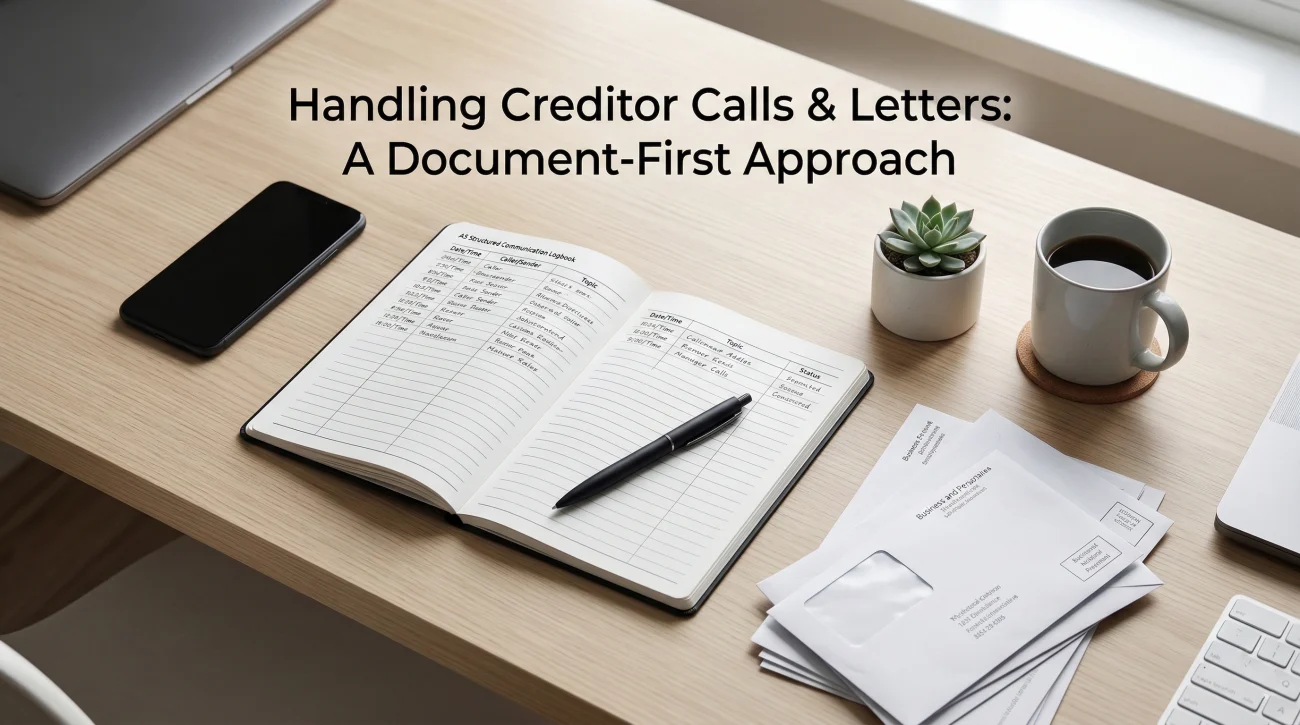
Handling creditor calls and collection letters as executor is primarily a sorting and documentation task, not a negotiation. Never argue or admit liability on the phone; your only goal is to verify the caller’s identity and shift the interaction to mail. Keep a dedicated communication log to track every interaction, noting dates, names, and claimed … Read more

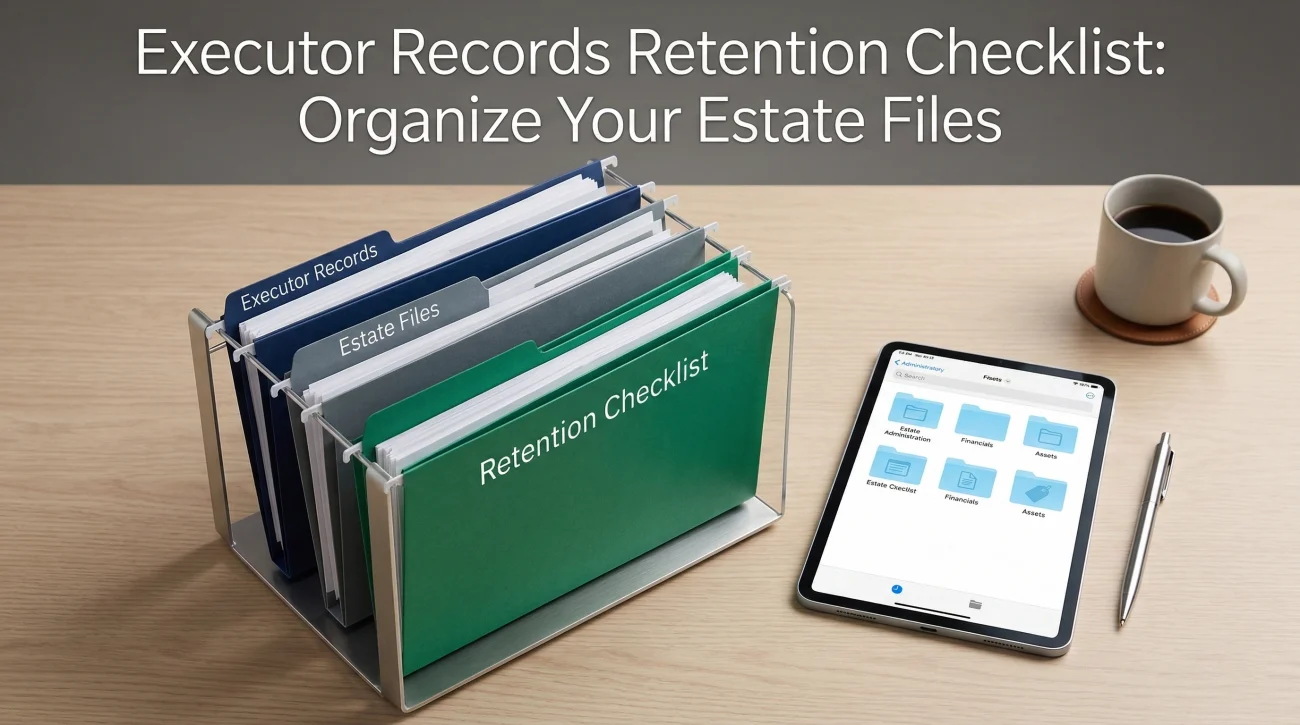
Executor Records Retention Checklist: What to Keep, How to Label, and Where to Store It

Executor Recordkeeping

Build a simple three-folder system: Authority, Assets, and Transactions. Never name a digital file “scan_1” – use a consistent date-first naming rule so files sort themselves automatically. Keep clear separation between your personal records and the estate’s paperwork to prevent confusion later. Always confirm local record retention timelines with a professional in writing before shredding … Read more

How Many Certified Copies of Letters Do You Need: A Practical Rule of Thumb

How Many Certified Copies Of Letters Testamentary Do I Need

Most executors find that ordering between 5 and 10 certified copies covers a standard estate, while more complex estates may require 15 or more. Timing matters just as much as volume: institutions often reject copies issued more than 60 to 90 days ago, so avoid ordering massive batches too early. You can accurately estimate your … Read more

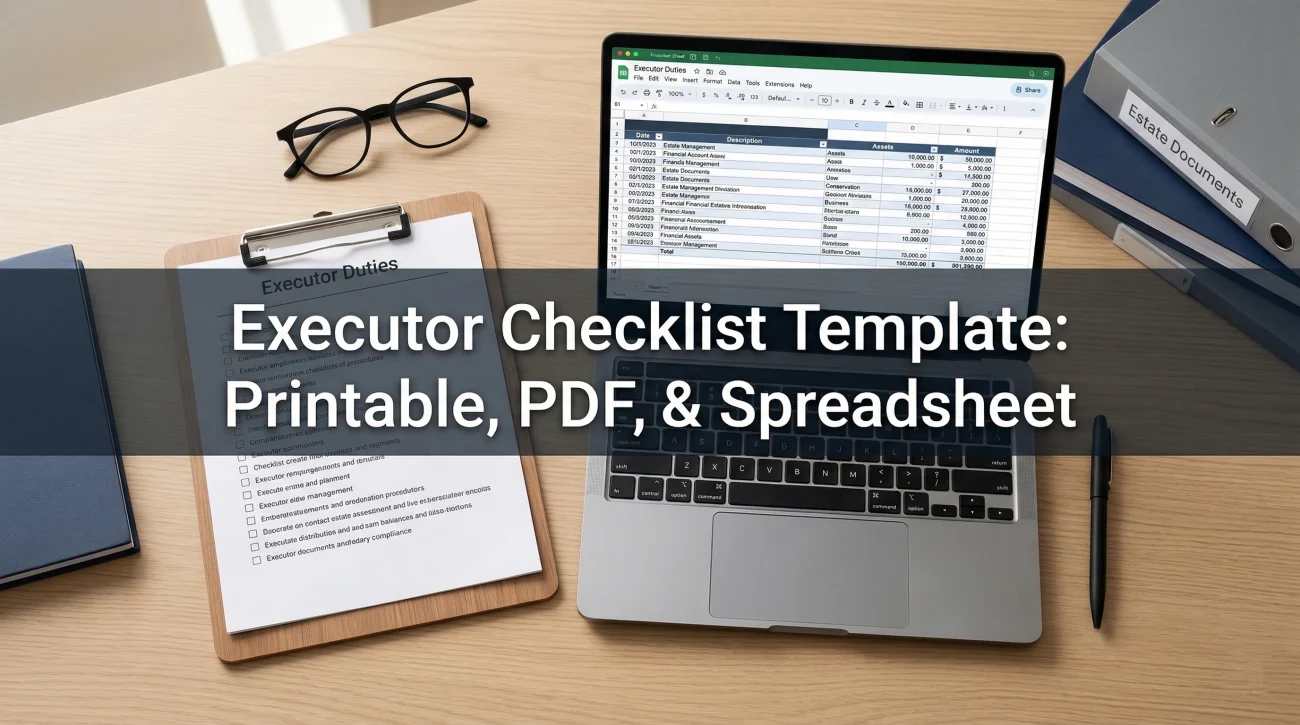
Executor Checklist Template: Printable, PDF, and Spreadsheet Versions

Executor Checklist Template

The right tool for the exact phase: Use a simple printed PDF on a clipboard for the chaotic first week, then transition to a spreadsheet for long-term tracking of institutional red tape. Map the entire landscape early: A checklist is useless if it misses accounts. You must build a master inventory covering traditional finance, physical … Read more

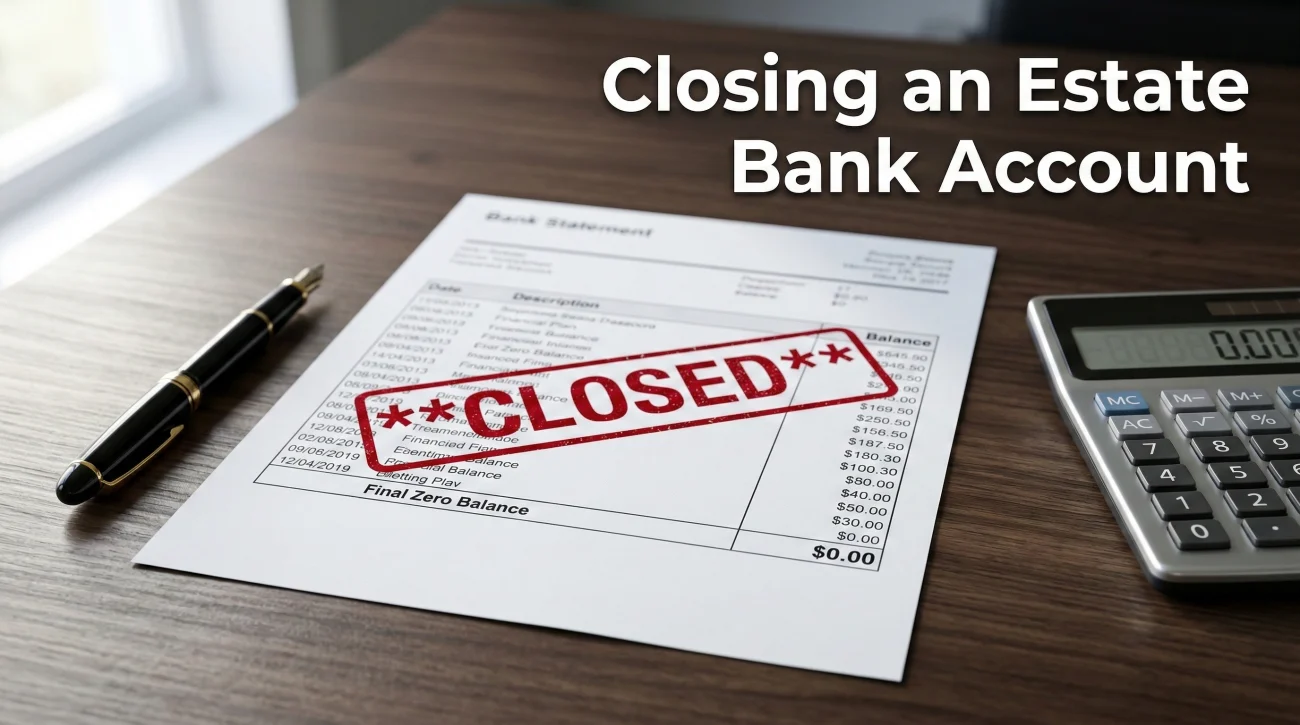
Closing the Estate: The Final Packet Executors Keep for Peace of Mind

Closing The Estate Checklist

Closing an estate is not just about making the final payments; it is about building a secure, permanent record of everything you did. Your final closing packet should act as a self-contained history, combining your final accounting, proof of distribution, zero-balance bank statements, and communication archives. Never rely on verbal confirmations. Collect written receipts and … Read more

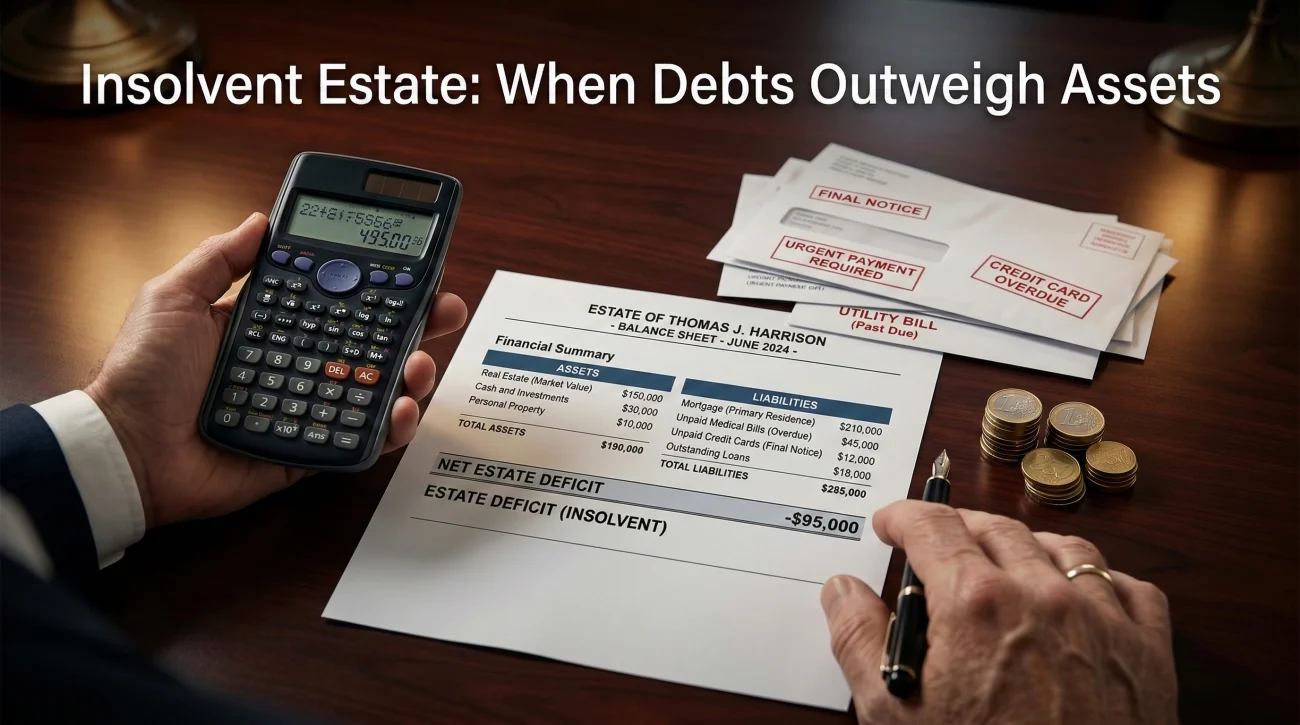
Insolvent Estate: What Changes When There Isn’t Enough Money to Pay Everyone

Insolvent Estate Executor

An insolvent estate simply means there is not enough money to pay all the deceased person’s debts; it changes your job from “paying bills” to “freezing payments and logging claims.” Do not guess who should be paid first. Paying an unsecured credit card before knowing the total medical debt can create personal liability for you … Read more

Estate Expense and Reimbursement Tracker: Keep Receipts Clean from Day One

Executor Expense Log

An executor expense log is your best defense against confusion and family disputes over money. Physical receipts degrade quickly; digitize them immediately using a strict naming convention to preserve evidence. If you pay out of pocket before the estate account is open, tracking those details meticulously is the only safe way to handle reimbursements. Keep … Read more

What to Do After You Receive Letters Testamentary: The First 10 Actions

What To Do After You Receive Letters Testamentary

Review and correct: Verify the spelling on your court document immediately and request a clerical amendment if you find any typos before ordering copies. Establish your tracking logs: Create a dedicated call log, document tracker, and decision log before you make a single phone call. Redirect the mail: Go to the post office in person … Read more