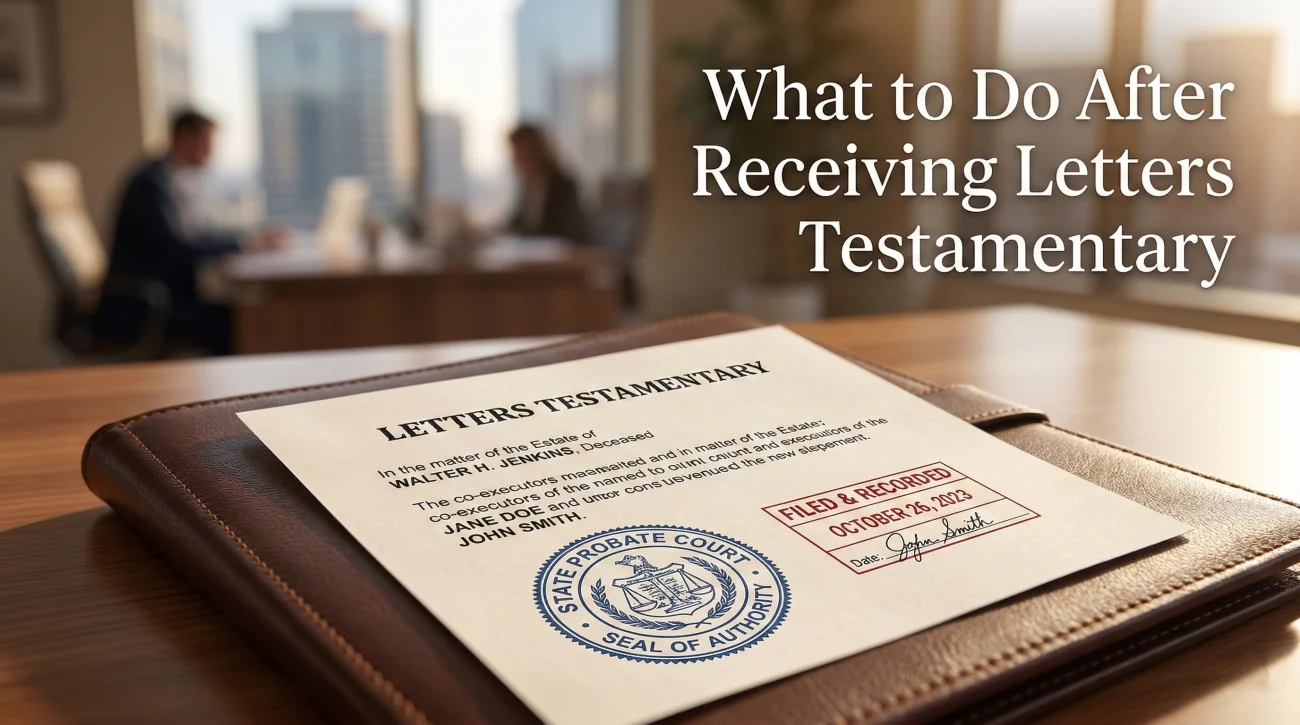
What to Do After You Receive Letters Testamentary: The First 10 Actions

What To Do After You Receive Letters Testamentary

Review and correct: Verify the spelling on your court document immediately and request a clerical amendment if you find any typos before ordering copies. Establish your tracking logs: Create a dedicated call log, document tracker, and decision log before you make a single phone call. Redirect the mail: Go to the post office in person … Read more

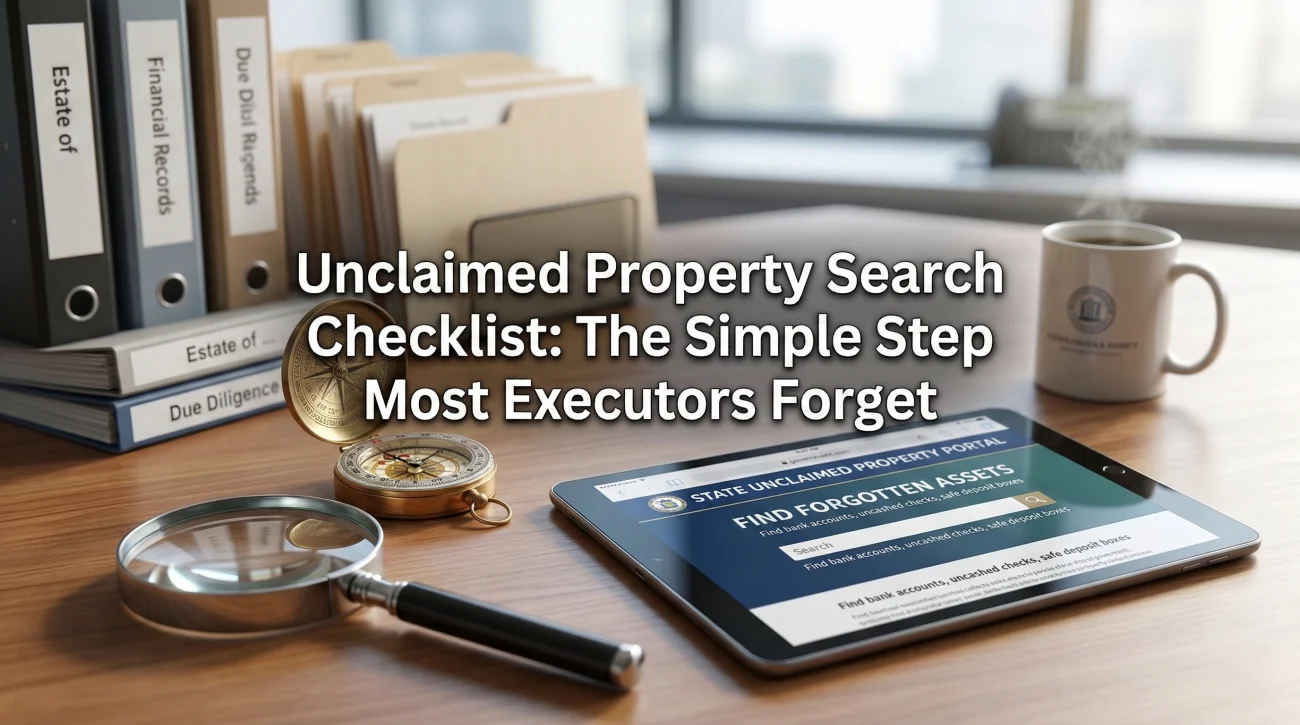
Unclaimed Property Search Checklist: The Simple Step Most Executors Forget

Unclaimed Property Search Checklist

The hidden layer: An unclaimed property search catches the stray assets (like old utility deposits or uncashed checks) that never made it into the deceased’s main filing cabinet. Timing matters: Do not rush this on day one. Wait until you have gathered the core assets, but always run a search before you finalize and close … Read more

Estate Administration Expenses: What Usually Counts, What To Keep, and What Raises Questions

Estate Administration Expenses

Estate administration expenses are the necessary “operating costs” required to safely manage, protect, and settle the deceased person’s affairs. There is a strict line between maintaining an asset (like fixing a leaking pipe) and improving it (like upgrading a bathroom). Estates pay for maintenance, not improvements. A practical expense log needs more than just amounts. … Read more

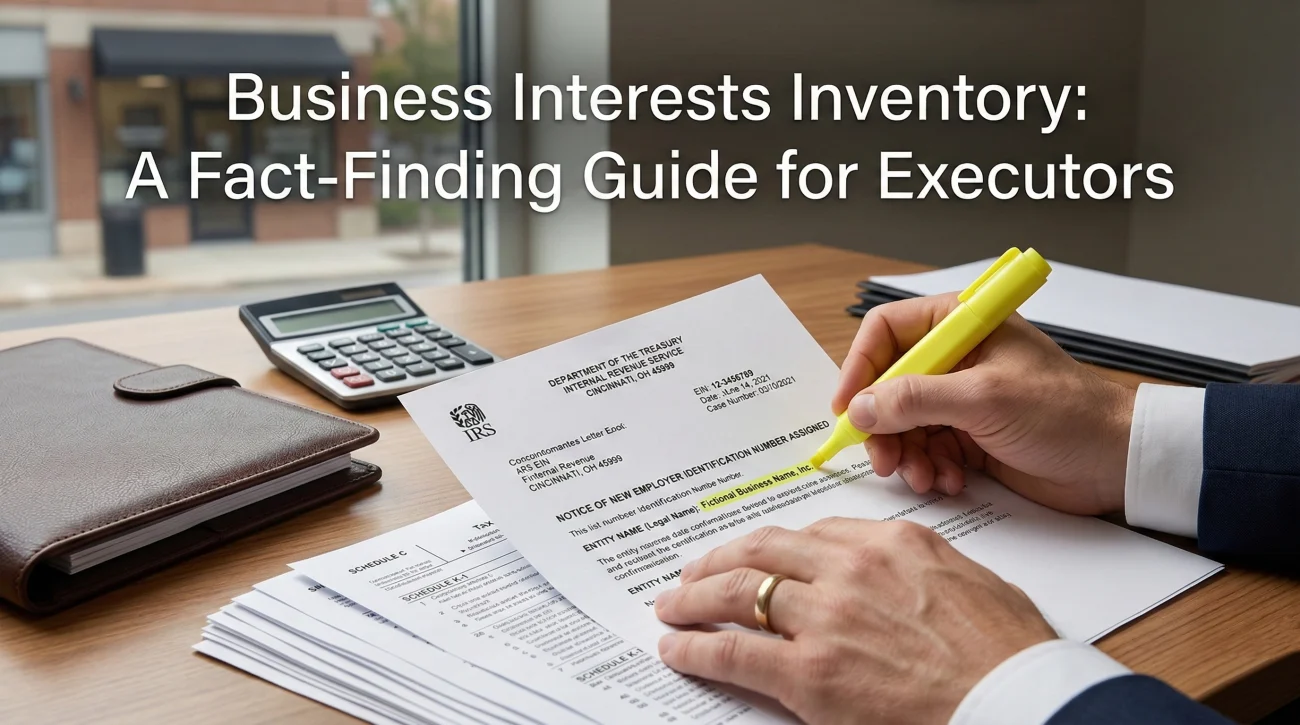
Business Interests Inventory Checklist: What to List Without Getting Pulled Into Legal and Tax

Business Interests Inventory Checklist

Your immediate job is to locate and inventory the business paperwork without accidentally mixing estate funds with operating funds. Start by following the paper trail. Tax returns (Schedule C or K-1 forms) and basic corporate formation documents prove the business exists. Modern estates often include digital businesses. You must actively look for 1099-K forms, merchant … Read more

Informal vs. Formal Probate: What’s Different and Why It Matters to Executors

Informal Vs Formal Probate

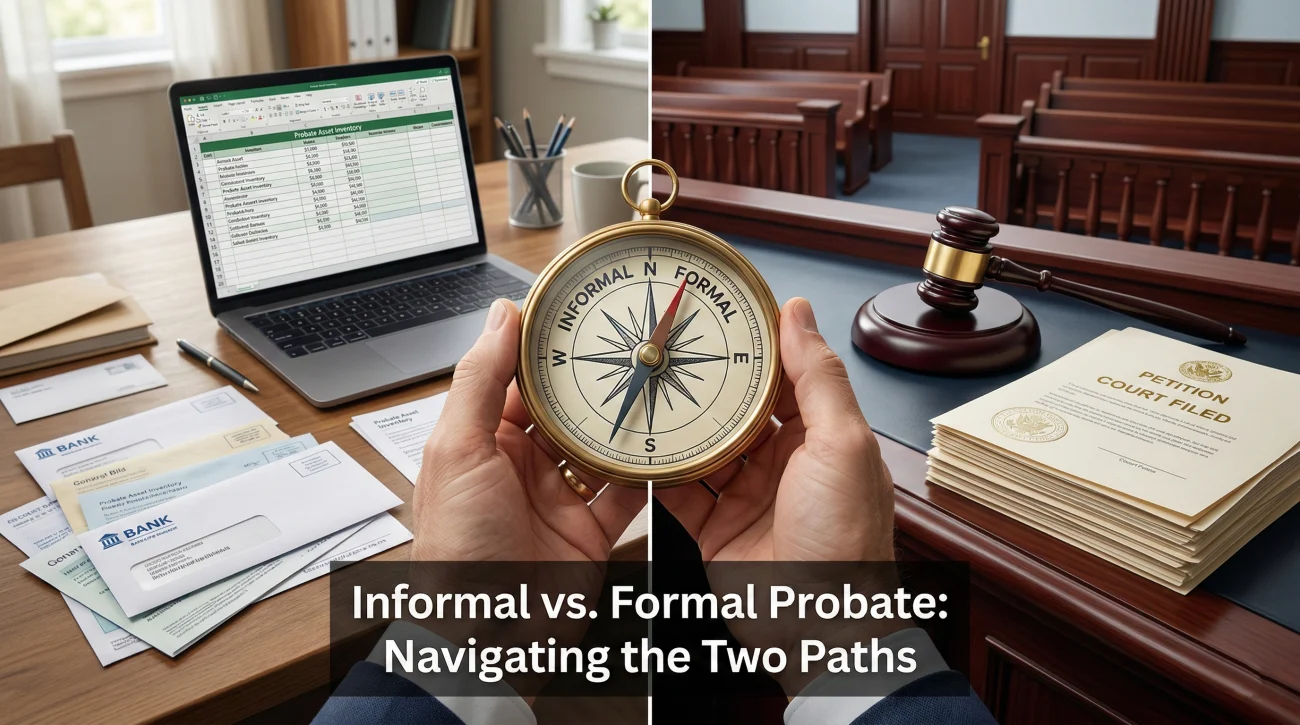
The core difference: Informal probate relies on paperwork and mail, while formal probate involves direct court supervision, hearings, and mandatory approvals before you can take action. Your workload changes: Formal processes require meticulous tracking. You must prove every penny spent and request permission before selling assets. Communication is key: The path you take directly affects … Read more

Medical Bills After Death: How Executors Keep Them Organized Without Paying Too Fast

Medical Bills After Death Executor

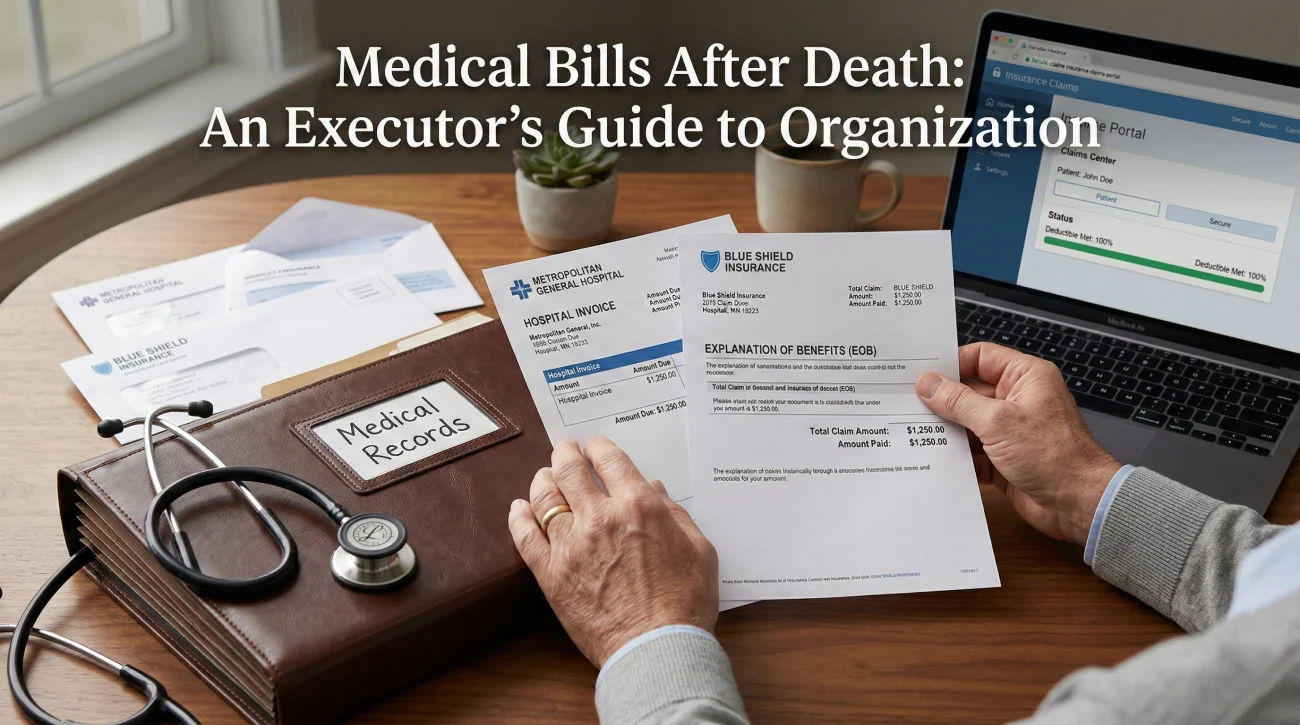
Sorting over paying: Medical bills after death are a sorting problem first. The immediate goal is building an accurate, documented packet. The insurance lag: Hospital billing cycles often take weeks or months to process. Paying early usually leads to duplicate payments that are difficult to recover. The verification step: Never accept a medical invoice at … Read more

Small Estate Affidavit: When It Can Replace Full Probate and When It Can’t

Small Estate Affidavit

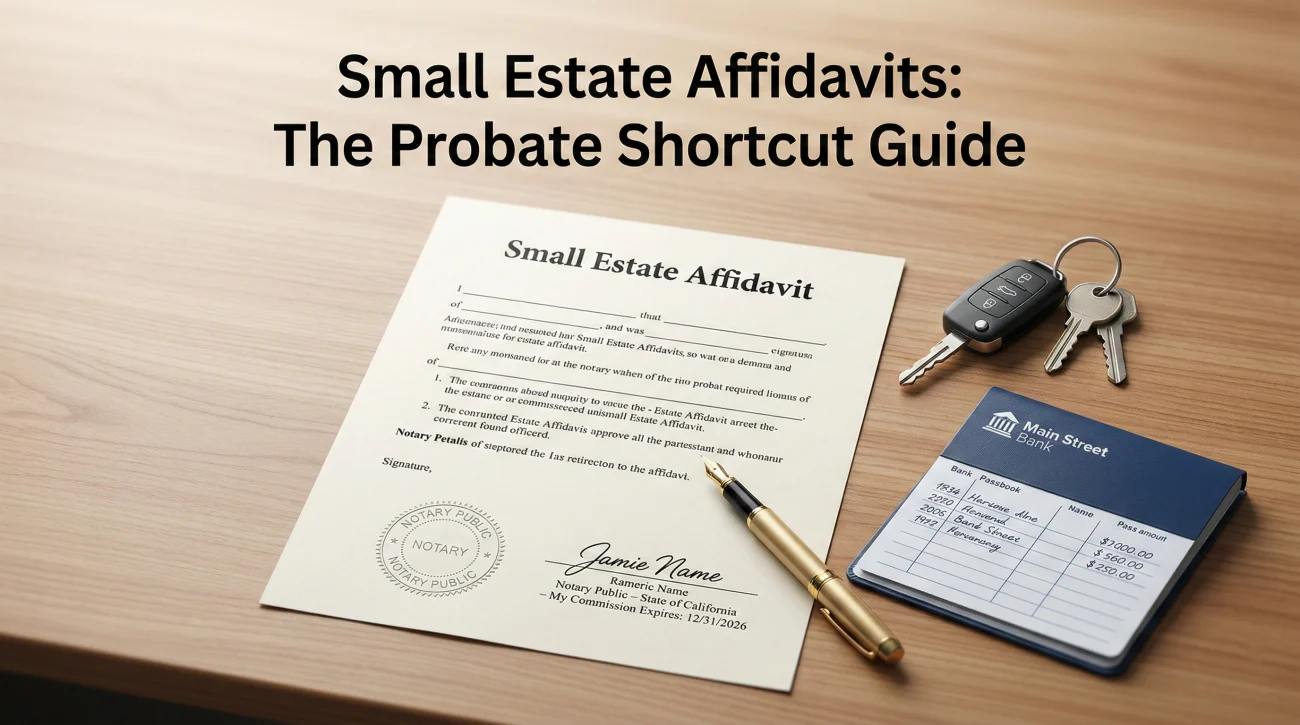
A small estate affidavit is a sworn document used to claim assets without a full court process, but it requires strict adherence to local limits. Eligibility relies on a strict value cap (which usually excludes joint and beneficiary accounts), asset types (real estate is generally excluded), and a mandatory waiting period. Different asset types require … Read more

Credit Card Debt After Death: What Executors Commonly Do, What to Pause, and What to Record

Credit Card Debt After Death Executor

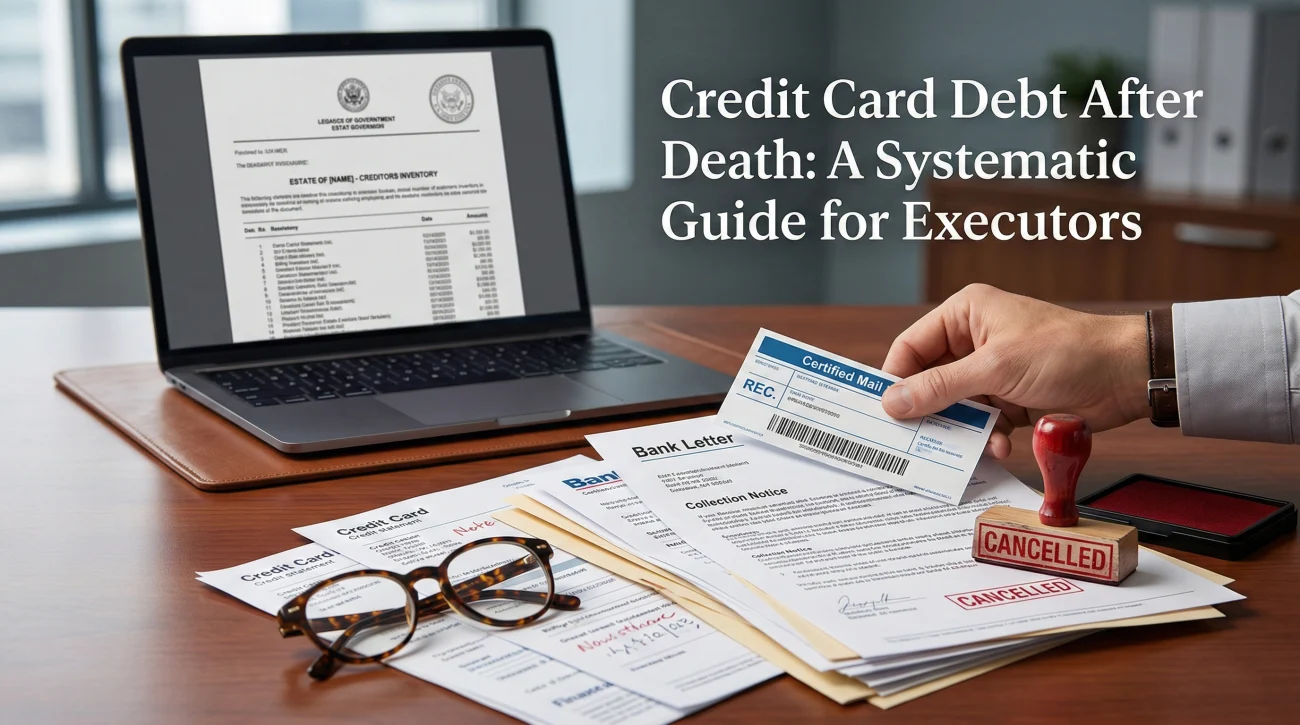
Credit card balances are unsecured claims against the estate, meaning they typically sit near the bottom of the payment priority list. Stop the bleed immediately by pausing autopay subscriptions and notifying the major credit bureaus to lock the deceased’s profile against fraud. Debt collectors rely on creating urgency. Shift the burden back to them by … Read more