Small Estate Affidavit: When It Can Replace Full Probate and When It Can’t
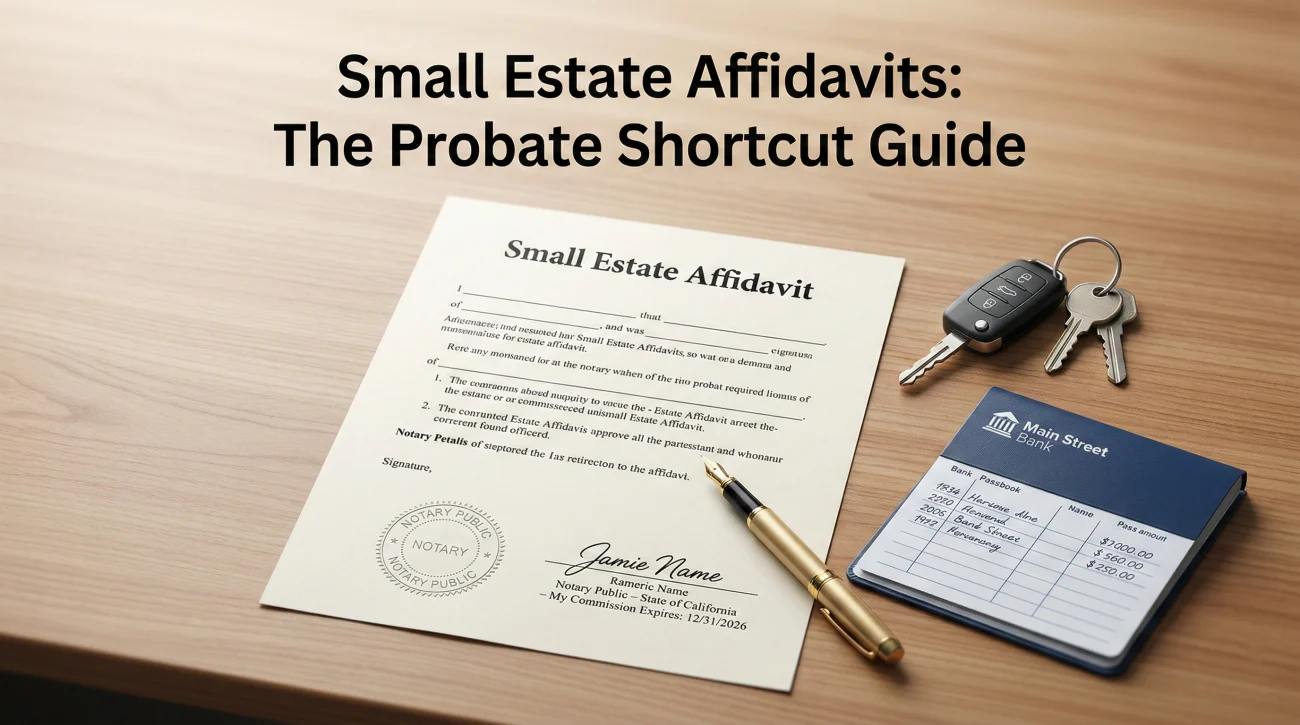
Small Estate Affidavit

A small estate affidavit is a sworn document used to claim assets without a full court process, but it requires strict adherence to local limits. Eligibility relies on a strict value cap (which usually excludes joint and beneficiary accounts), asset types (real estate is generally excluded), and a mandatory waiting period. Different asset types require … Read more

Why the Bank Won’t Talk to You Even If You Have the Will

Bank Won’t Accept Will Executor

A last will and testament is a document of wishes, but it does not automatically grant you legal access to bank accounts. Banks are heavily regulated and typically require proof of court appointment, not just a nomination in a will, to release funds. The type of account ownership (like joint or POD) often overrides the … Read more

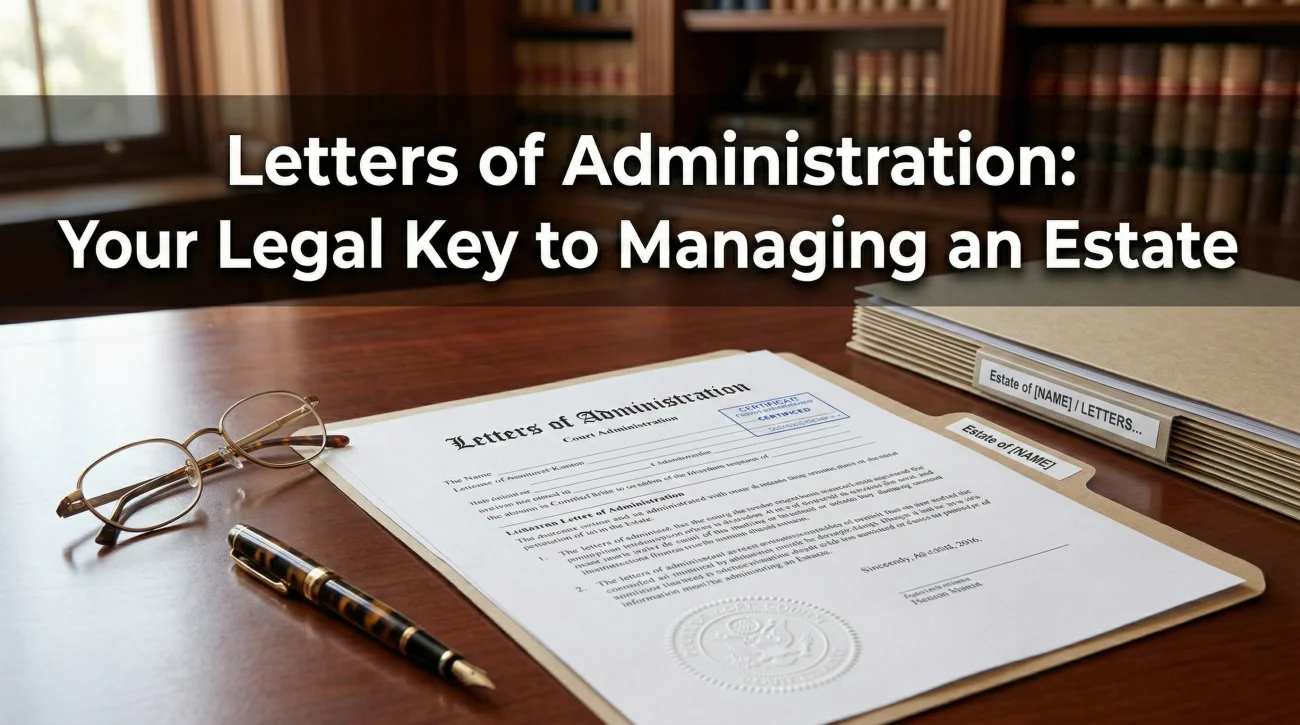
Letters of Administration: What the Document Proves and How It Gets Used

Letters Of Administration

The core purpose: Letters of administration are the official court document that proves you have the legal authority to manage an estate when there is no will. The main unlock: This single document shifts your status from “family member” to “legal administrator,” forcing banks, insurers, and utilities to speak with you. The exemptions: Not everything … Read more

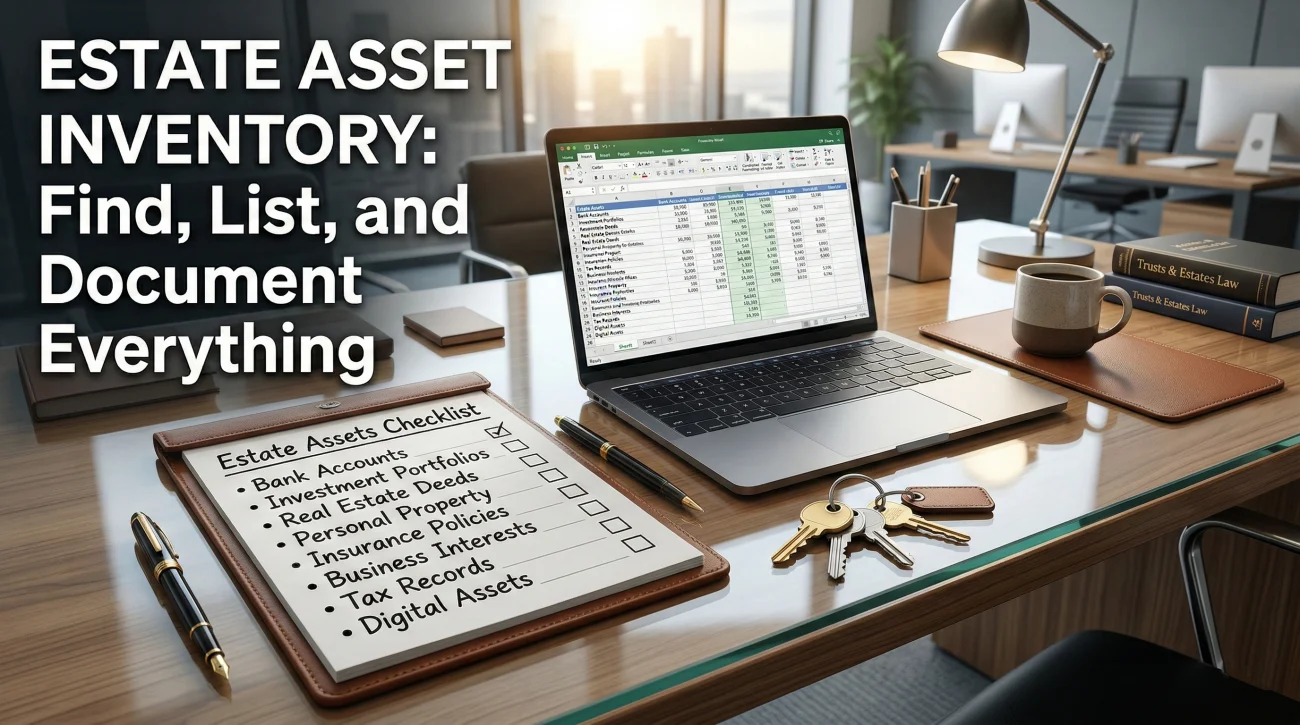
Estate Asset Inventory Checklist: Find, List, and Document Everything

Estate Asset Inventory Checklist

An estate asset inventory checklist is a working document that tracks what exists, where the proof is stored, and the current status of each item. Do not confuse this tracking list with official court forms; this is your personal organizational system to prevent missing items. Always map every listed asset directly to a piece of … Read more