When Can an Executor Distribute Money? A Safe Checklist of What To Clear First

When Can An Executor Distribute Money

The big picture: Distribution is not the first step of estate administration; it is the final milestone after all legal and financial obligations are cleared. The core rule: You must clear known debts, wait out the statutory creditor claim window, and handle tax filings before moving any money to heirs. The documentation packet: A clear, … Read more

Handling Creditor Calls and Collection Letters as Executor: A Calm, Document-First Approach

Handling Creditor Calls And Collection Letters As Executor

Handling creditor calls and collection letters as executor is primarily a sorting and documentation task, not a negotiation. Never argue or admit liability on the phone; your only goal is to verify the caller’s identity and shift the interaction to mail. Keep a dedicated communication log to track every interaction, noting dates, names, and claimed … Read more

Insolvent Estate: What Changes When There Isn’t Enough Money to Pay Everyone

Insolvent Estate Executor

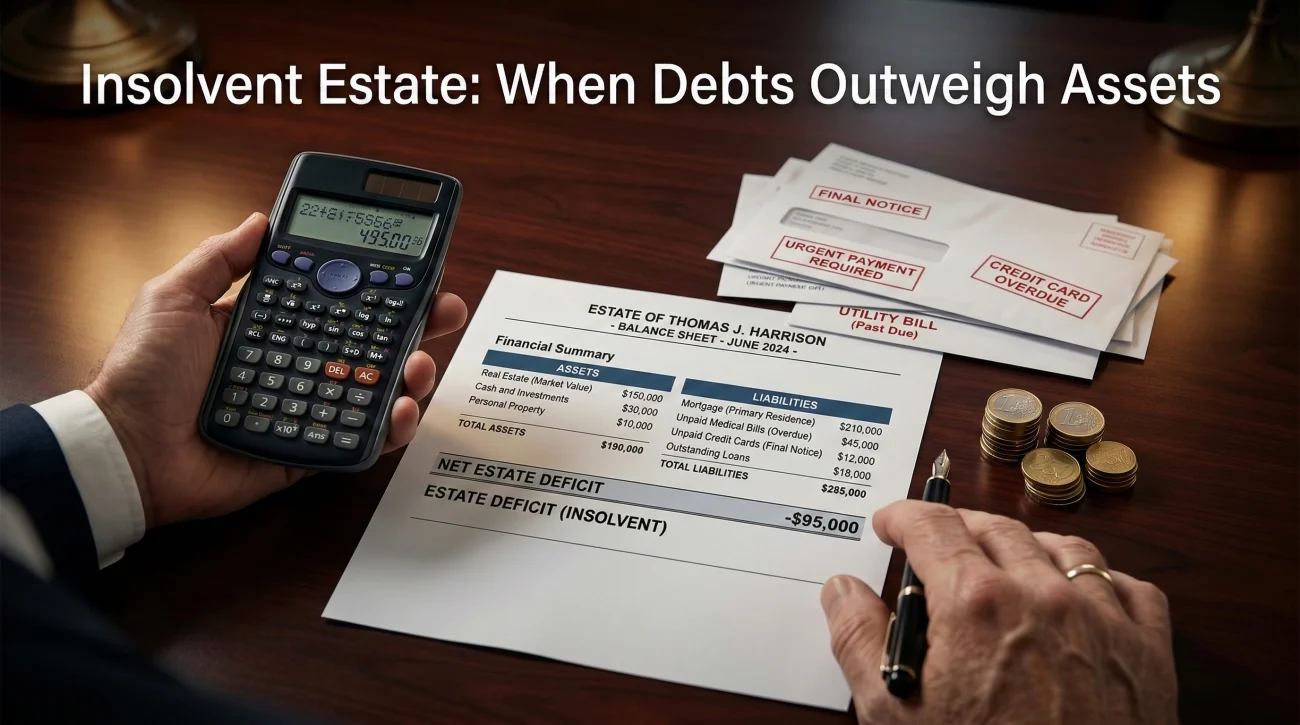
An insolvent estate simply means there is not enough money to pay all the deceased person’s debts; it changes your job from “paying bills” to “freezing payments and logging claims.” Do not guess who should be paid first. Paying an unsecured credit card before knowing the total medical debt can create personal liability for you … Read more

Executor Tax Overview: Final Return vs Estate Income Tax vs Estate Tax (Plain English)

Executor Tax Responsibilities

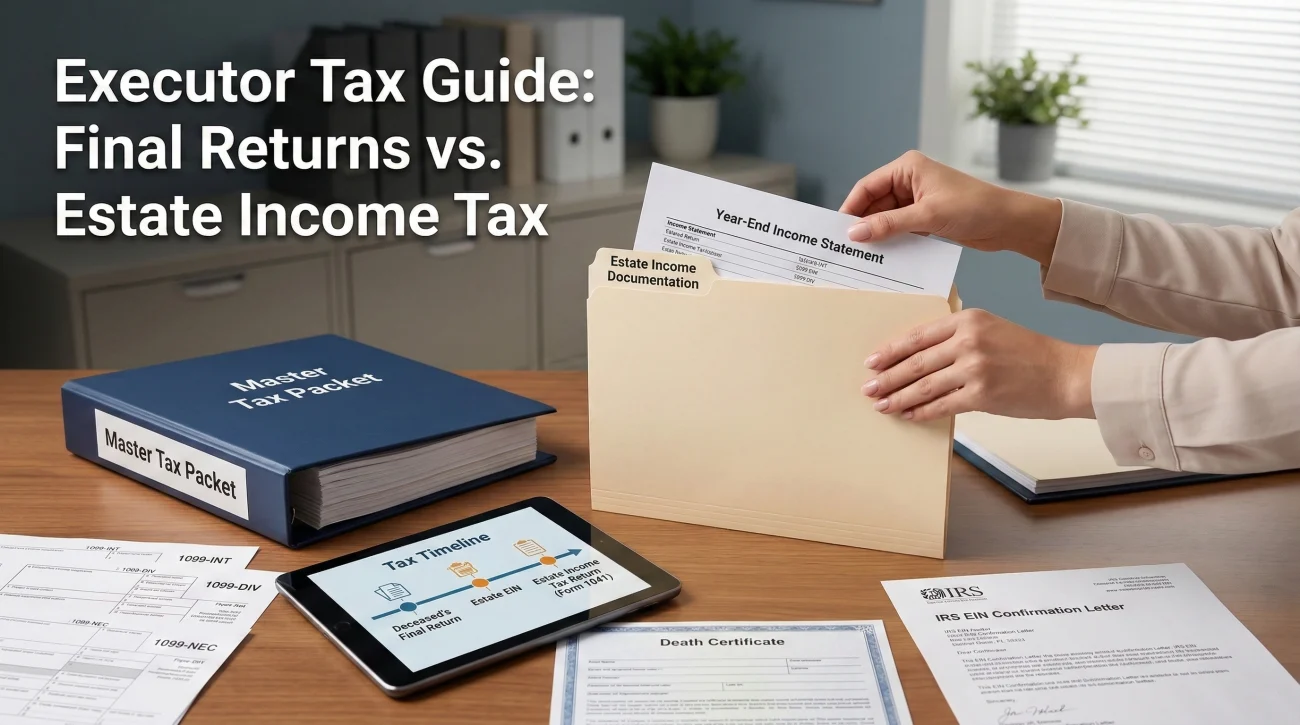
Your primary job is gathering documents and organizing records, not calculating tax liabilities or memorizing the tax code. Estate taxes generally fall into three distinct conceptual lanes: the person’s final individual return, the estate’s own income return, and the rarely applied wealth tax. Building a clean, well-documented paper trail is the safest way to hand … Read more

Estate Administration Expenses: What Usually Counts, What To Keep, and What Raises Questions

Estate Administration Expenses

Estate administration expenses are the necessary “operating costs” required to safely manage, protect, and settle the deceased person’s affairs. There is a strict line between maintaining an asset (like fixing a leaking pipe) and improving it (like upgrading a bathroom). Estates pay for maintenance, not improvements. A practical expense log needs more than just amounts. … Read more

Funeral Expenses and Reimbursement: What Executors Track So It Doesn’t Turn Into a Fight

Funeral Expenses Reimbursement Executor

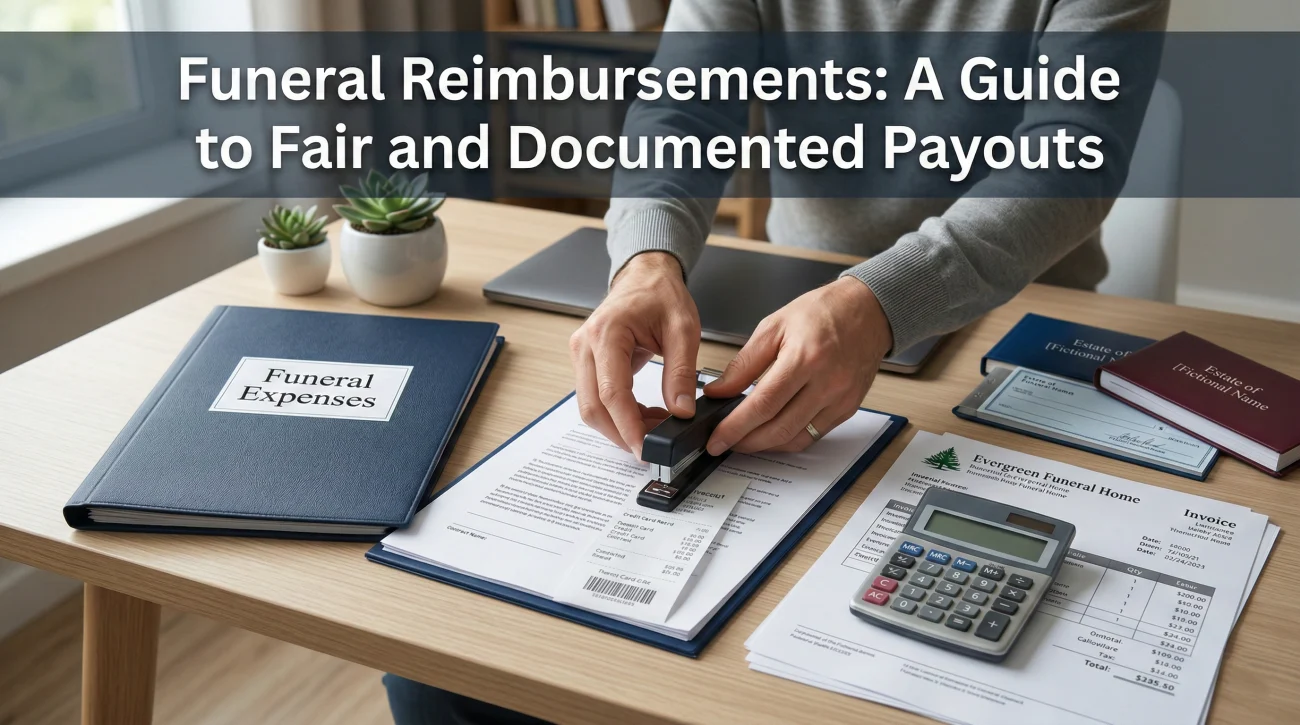
The Core Rule: Treat family-paid funeral costs as formal creditor claims against the estate. Do not issue reimbursements based on verbal memories or side agreements. The Evidence Standard: A clean reimbursement file requires an exact match between an itemized vendor invoice and absolute proof of payment (like a cleared bank statement), even for digital transfers … Read more

Medical Bills After Death: How Executors Keep Them Organized Without Paying Too Fast

Medical Bills After Death Executor

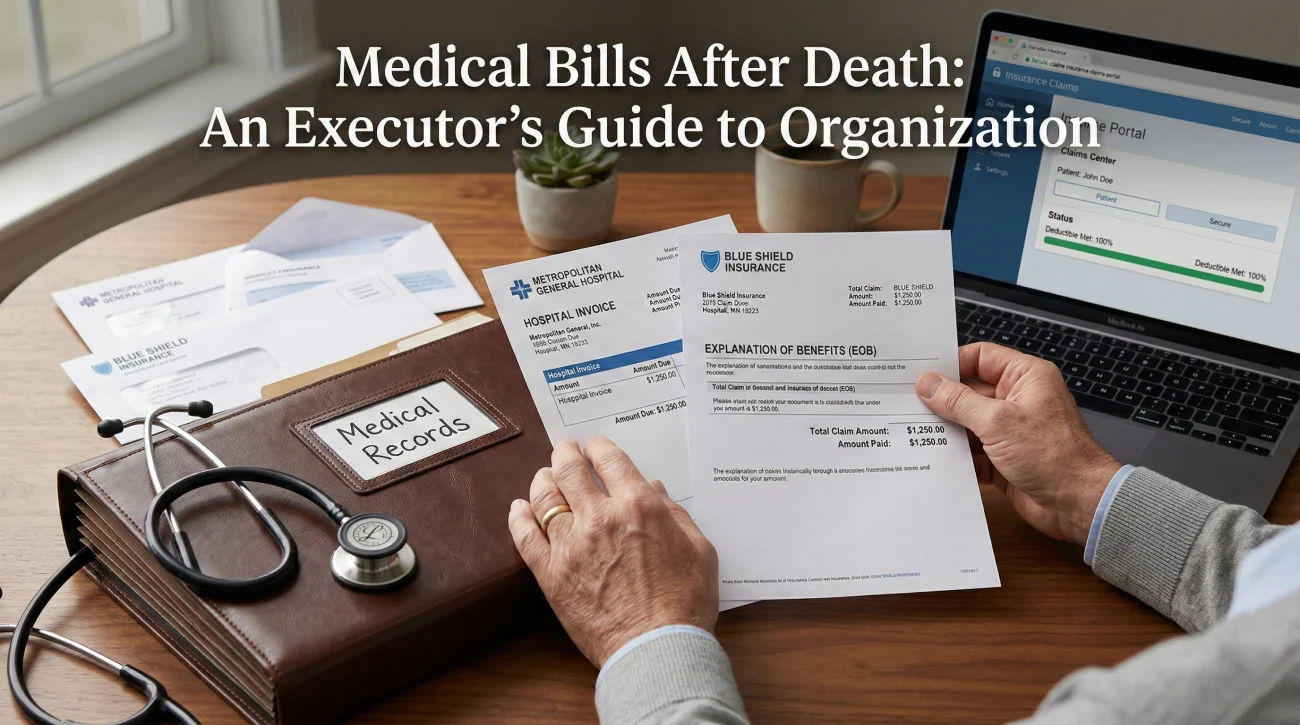
Sorting over paying: Medical bills after death are a sorting problem first. The immediate goal is building an accurate, documented packet. The insurance lag: Hospital billing cycles often take weeks or months to process. Paying early usually leads to duplicate payments that are difficult to recover. The verification step: Never accept a medical invoice at … Read more

Credit Card Debt After Death: What Executors Commonly Do, What to Pause, and What to Record

Credit Card Debt After Death Executor

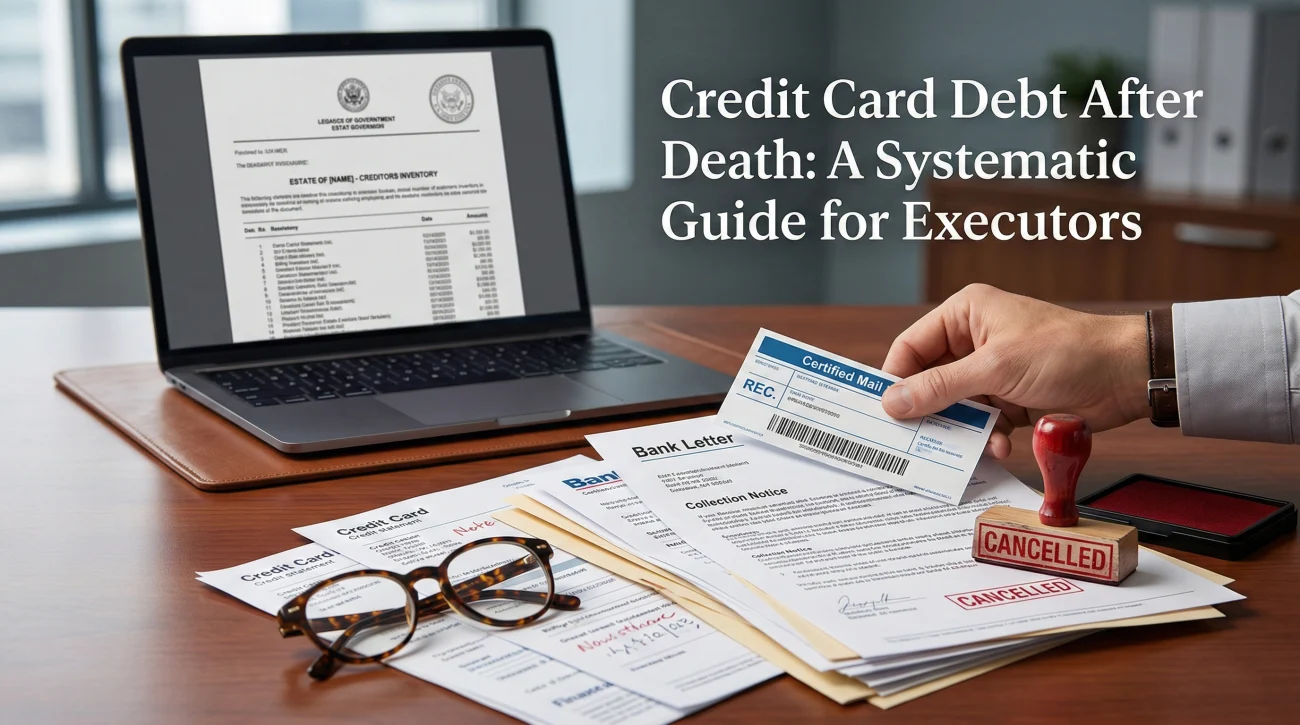
Credit card balances are unsecured claims against the estate, meaning they typically sit near the bottom of the payment priority list. Stop the bleed immediately by pausing autopay subscriptions and notifying the major credit bureaus to lock the deceased’s profile against fraud. Debt collectors rely on creating urgency. Shift the burden back to them by … Read more

Secured Debts After Death: Mortgages and Car Loans, and Why the Asset Changes Everything

Secured Debts After Death - Mortgages And Car Loans

The debt follows the asset: Secured debts are tied to a specific physical item, meaning the lender typically retains rights to that property if payments stop. Ownership dictates action: Before worrying about payments, verify if there is a surviving co-signer, if the property is in a trust, or if mortgage protection insurance exists to clear … Read more

Executor Paying Debts: A Safe Order-of-Operations Without State-Specific Priority Charts

Executor Pay Debts In What Order

The most common trap for a new executor is paying the loudest creditor first, which creates massive liability if the estate runs out of money later. Estate administration relies on a strict workflow order: keep the estate running, reserve for taxes, manage secured assets, and finally, evaluate unsecured claims. Distinguishing between “administration expenses” (costs generated … Read more

Is an Executor Personally Responsible for Debts? The Real Risk Is Paying the Wrong Thing

Is An Executor Responsible For Debts

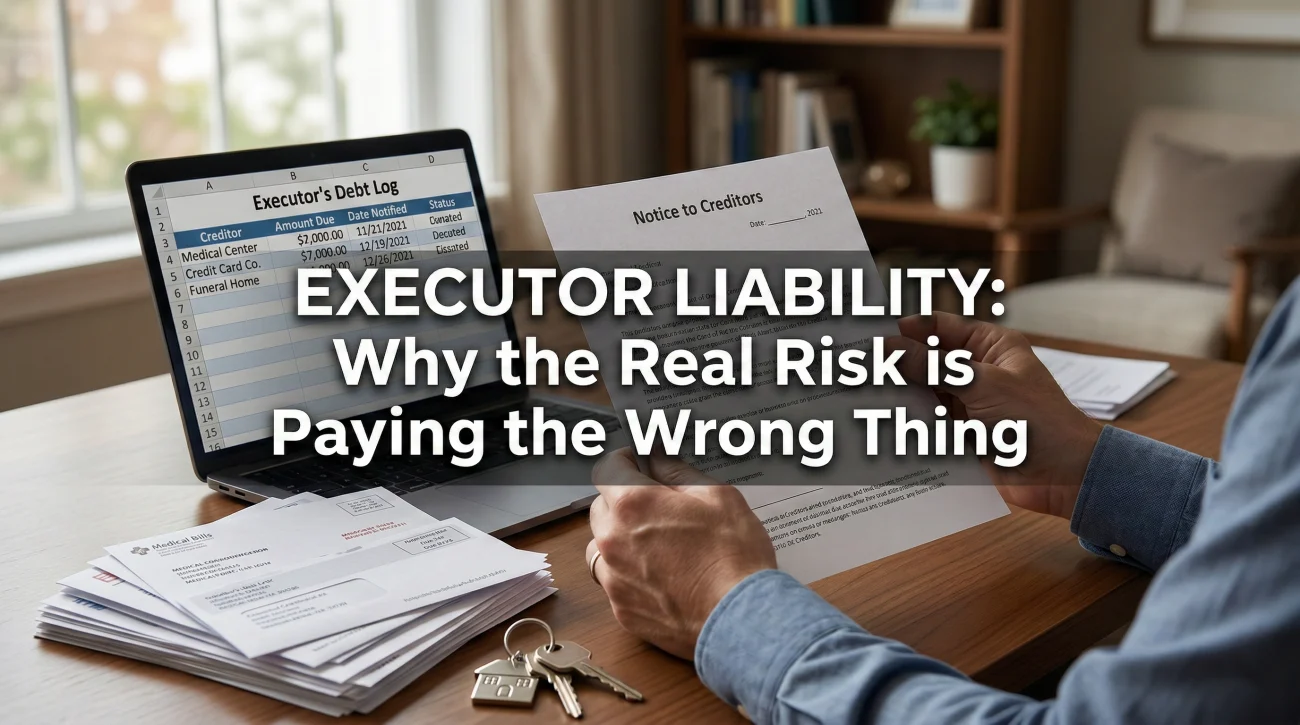
The financial obligations left behind belong entirely to the estate. Your risk as an administrator does not come from the debt itself, but from making procedural errors while handling it. Never guess who gets paid first. Paying a lower-priority bill while ignoring a major claim, or distributing money to beneficiaries too early, are the primary … Read more

How Executors Identify Creditors: A Safe, Practical Search Map

How To Identify Creditors As Executor

The goal is a structured search, not perfection: You do not need to be a private investigator to identify creditors; you need a methodical, documented process using available records. Use the two-pass method: Start with a quick physical scan of mail and workspaces, then do a deep scan of bank statements to catch hidden auto-pays … Read more

Notice to Creditors: What It Is, Why It Matters, and What Executors Should Track

Notice To Creditors Probate

A notice to creditors is not about inviting bills; it is a formal way to establish a clear timeline and protect the estate from surprise claims years down the road. Executors must differentiate between “known” creditors (who usually get direct communication) and “unknown” creditors (who are addressed by public publication). The most critical part of … Read more