Informal vs. Formal Probate: What’s Different and Why It Matters to Executors
Informal Vs Formal Probate

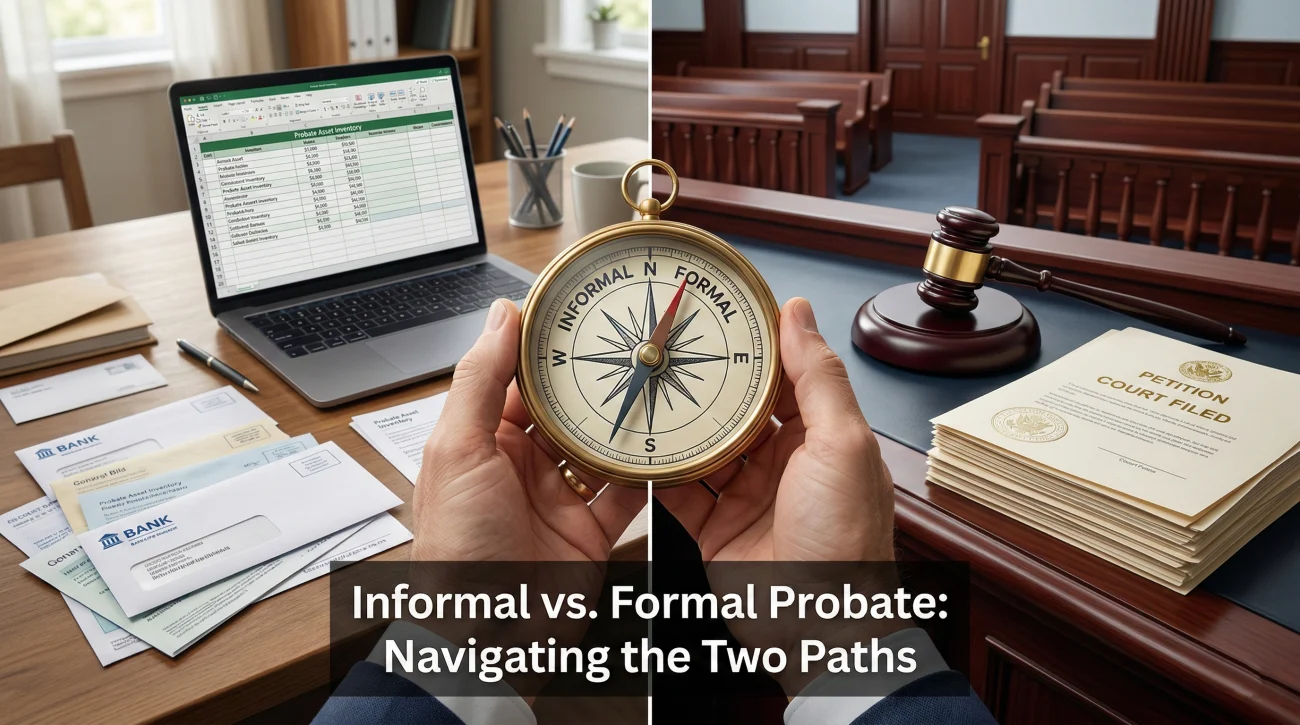
The core difference: Informal probate relies on paperwork and mail, while formal probate involves direct court supervision, hearings, and mandatory approvals before you can take action. Your workload changes: Formal processes require meticulous tracking. You must prove every penny spent and request permission before selling assets. Communication is key: The path you take directly affects … Read more
Secured Debts After Death: Mortgages and Car Loans, and Why the Asset Changes Everything

Secured Debts After Death - Mortgages And Car Loans

The debt follows the asset: Secured debts are tied to a specific physical item, meaning the lender typically retains rights to that property if payments stop. Ownership dictates action: Before worrying about payments, verify if there is a surviving co-signer, if the property is in a trust, or if mortgage protection insurance exists to clear … Read more

What to Bring to Probate Court: A Practical Executor Checklist

What To Bring To Probate Court

Your first visit to the courthouse is about information gathering and filing initial paperwork, not about leaving with full authority on day one. Bring original core documents: the original will (never remove the staples), multiple certified death certificates, and your valid government-issued ID. If there is no will, bring vital records like marriage or birth … Read more

Executor Paying Debts: A Safe Order-of-Operations Without State-Specific Priority Charts

Executor Pay Debts In What Order

The most common trap for a new executor is paying the loudest creditor first, which creates massive liability if the estate runs out of money later. Estate administration relies on a strict workflow order: keep the estate running, reserve for taxes, manage secured assets, and finally, evaluate unsecured claims. Distinguishing between “administration expenses” (costs generated … Read more

How Executors Identify Creditors: A Safe, Practical Search Map

How To Identify Creditors As Executor

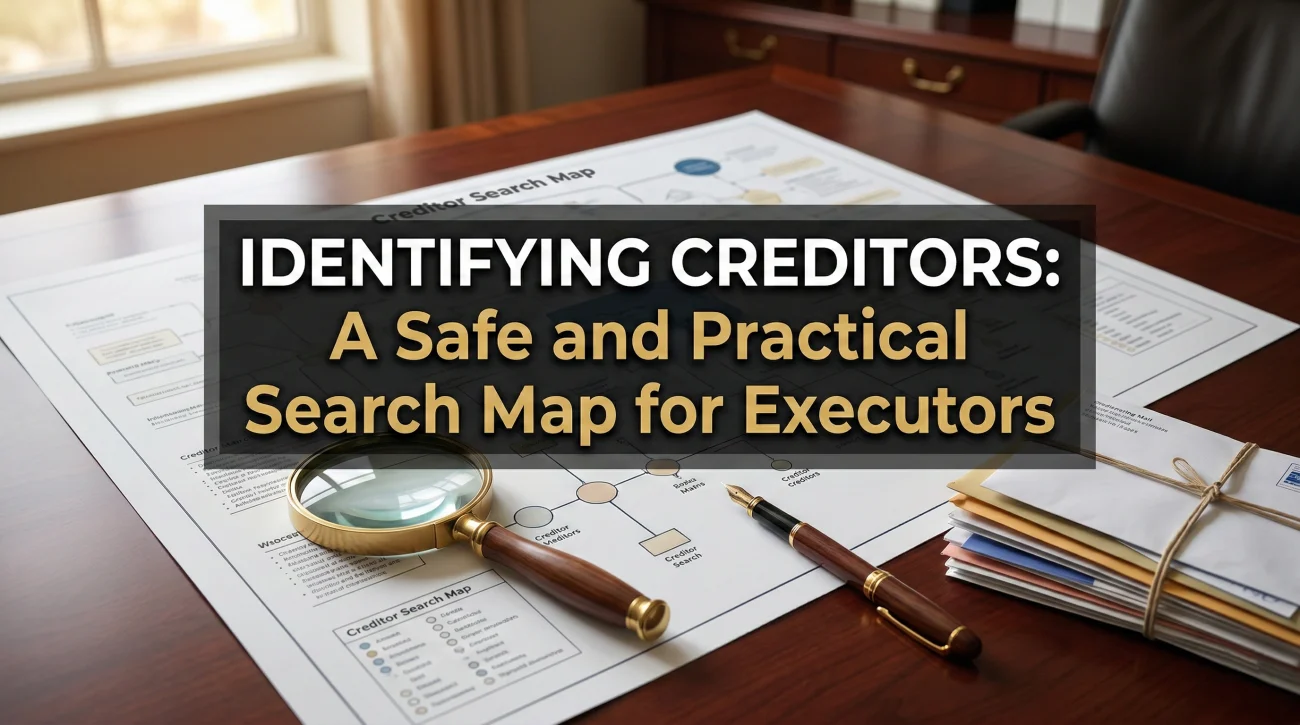
The goal is a structured search, not perfection: You do not need to be a private investigator to identify creditors; you need a methodical, documented process using available records. Use the two-pass method: Start with a quick physical scan of mail and workspaces, then do a deep scan of bank statements to catch hidden auto-pays … Read more

Executor Bank Documents Checklist: The Bank-Facing Packet

Executor Bank Documents Checklist

An executor bank documents checklist is a highly specific, stripped-down packet designed solely for the bank’s bereavement or legal department. Banks typically look for three stacks of verification: Proof of Death, Proof of Identity, and Proof of Authority. Do not hand the teller your entire executor master file; only provide what they specifically ask for … Read more

Name Consistency Is the Invisible Delay: One Person, Three Records, Endless Callbacks

Name Consistency Estate Documents

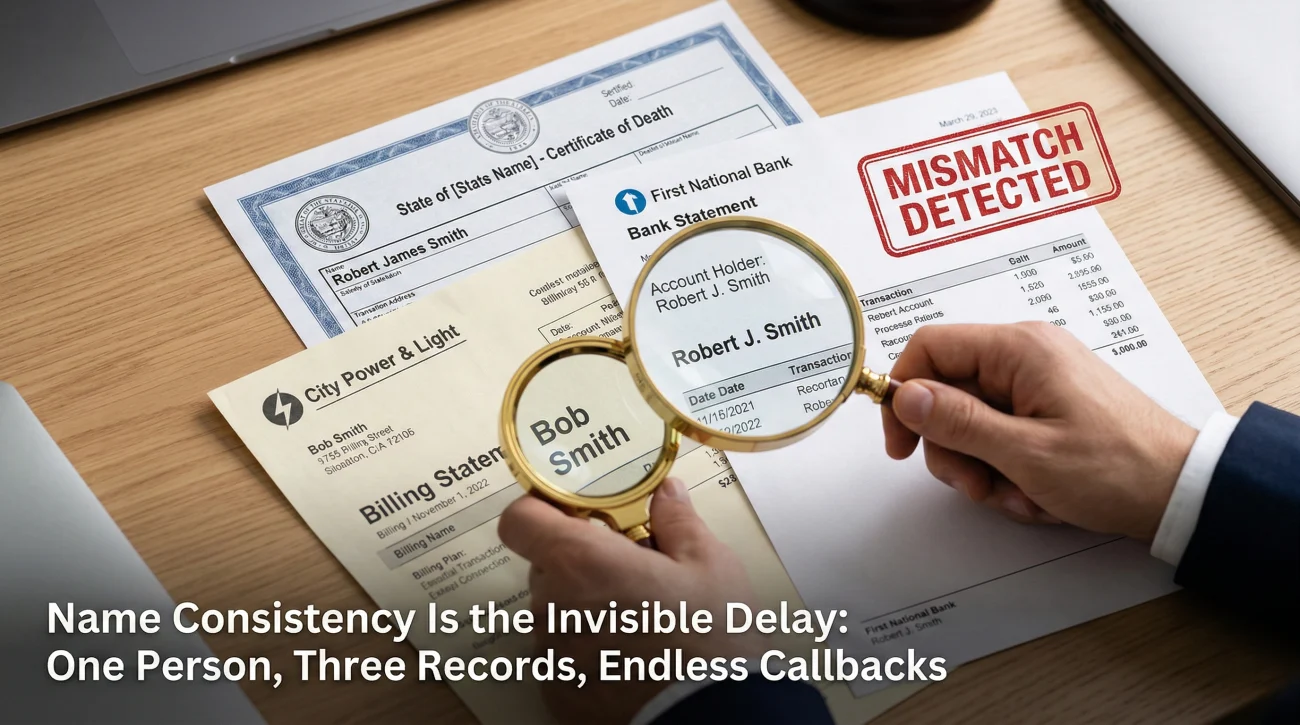
Identity mismatch is a major cause of administrative delays. To a compliance reviewer, “Robert Smith” and “Robert J. Smith” are often treated as two different people. Institutions reject documents not to be difficult, but to manage liability. If names do not align perfectly across the death certificate, the will, and the account statements, manual review … Read more