
Insolvent Estate: What Changes When There Isn’t Enough Money to Pay Everyone
Insolvent Estate Executor

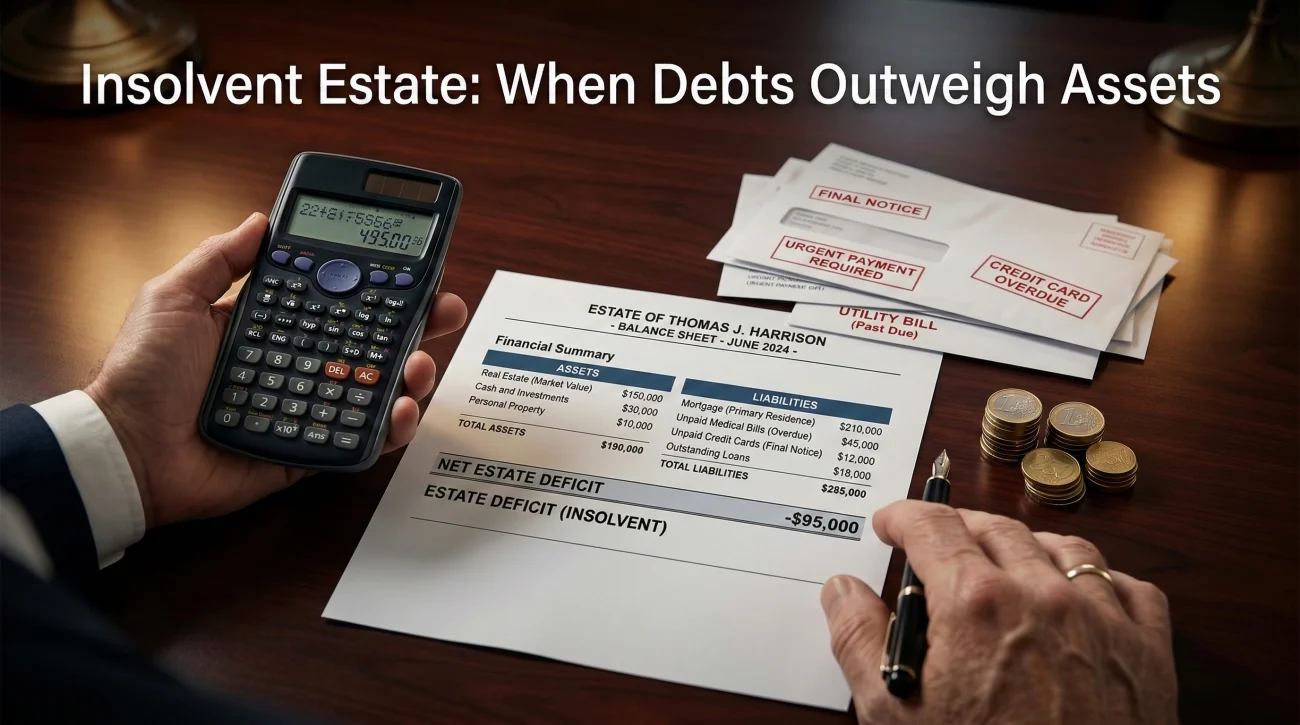
An insolvent estate simply means there is not enough money to pay all the deceased person’s debts; it changes your job from “paying bills” to “freezing payments and logging claims.” Do not guess who should be paid first. Paying an unsecured credit card before knowing the total medical debt can create personal liability for you … Read more

Funeral Expenses and Reimbursement: What Executors Track So It Doesn’t Turn Into a Fight

Funeral Expenses Reimbursement Executor

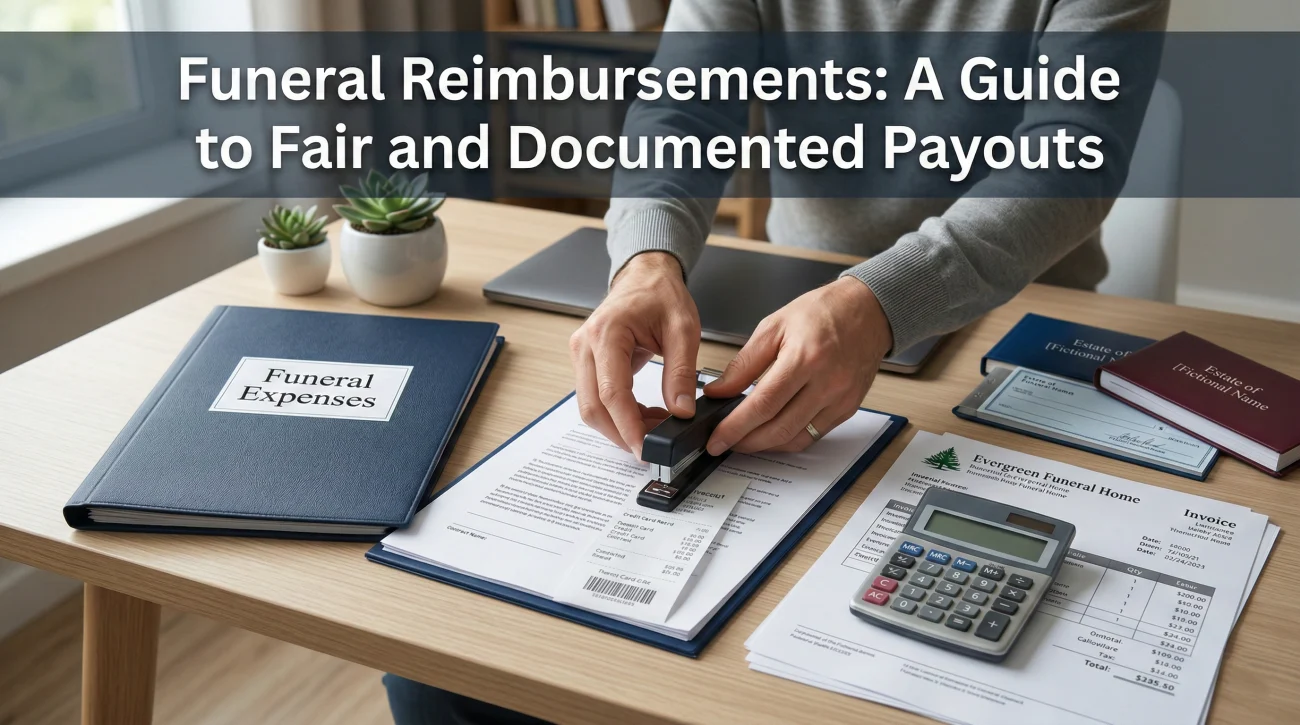
The Core Rule: Treat family-paid funeral costs as formal creditor claims against the estate. Do not issue reimbursements based on verbal memories or side agreements. The Evidence Standard: A clean reimbursement file requires an exact match between an itemized vendor invoice and absolute proof of payment (like a cleared bank statement), even for digital transfers … Read more

Secured Debts After Death: Mortgages and Car Loans, and Why the Asset Changes Everything

Secured Debts After Death - Mortgages And Car Loans

The debt follows the asset: Secured debts are tied to a specific physical item, meaning the lender typically retains rights to that property if payments stop. Ownership dictates action: Before worrying about payments, verify if there is a surviving co-signer, if the property is in a trust, or if mortgage protection insurance exists to clear … Read more

How Executors Identify Creditors: A Safe, Practical Search Map

How To Identify Creditors As Executor

The goal is a structured search, not perfection: You do not need to be a private investigator to identify creditors; you need a methodical, documented process using available records. Use the two-pass method: Start with a quick physical scan of mail and workspaces, then do a deep scan of bank statements to catch hidden auto-pays … Read more