Letters Reissue or Renewal: When You Need Updated Letters and What to Ask For

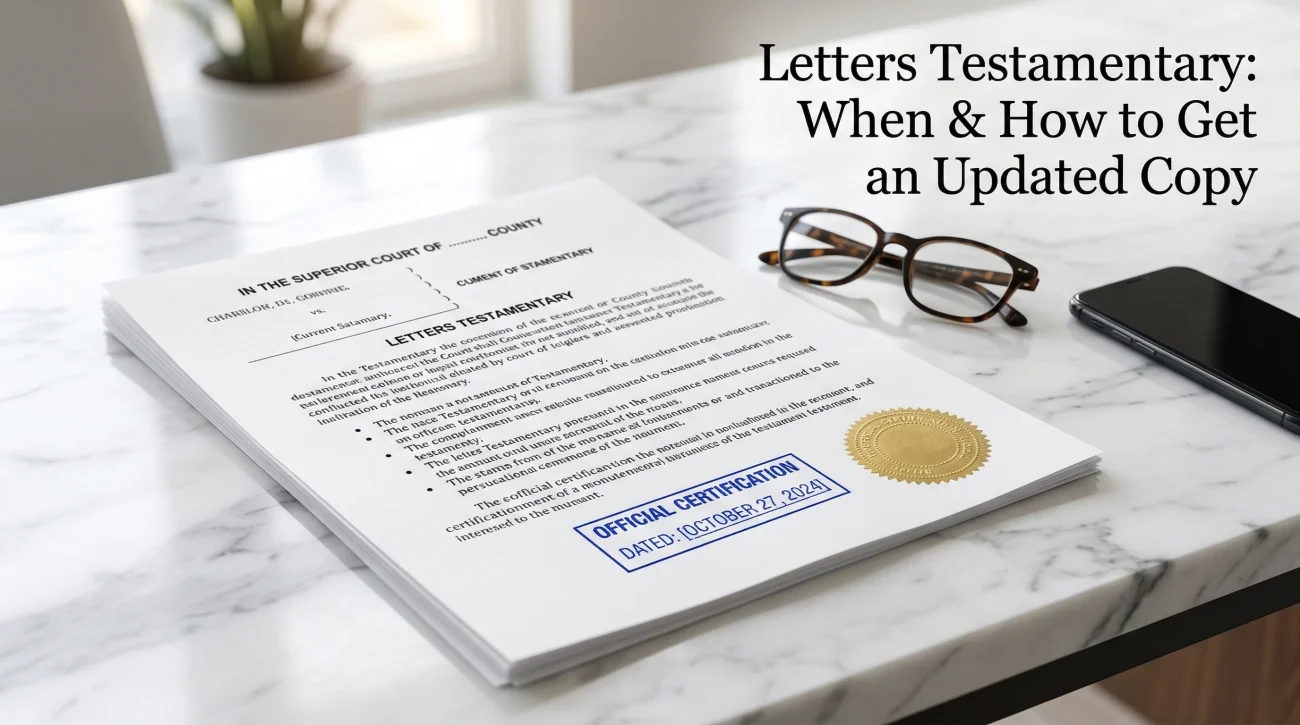
Letters Testamentary Reissue

Institutions often reject perfectly valid court documents simply because the certification date is considered “too old” by their internal compliance rules. Courts do not always set expiration dates, but banks, insurers, and title companies frequently demand a recent letters testamentary reissue based on their own risk policies. When requesting updated letters from the court, always … Read more

Handling Creditor Calls and Collection Letters as Executor: A Calm, Document-First Approach

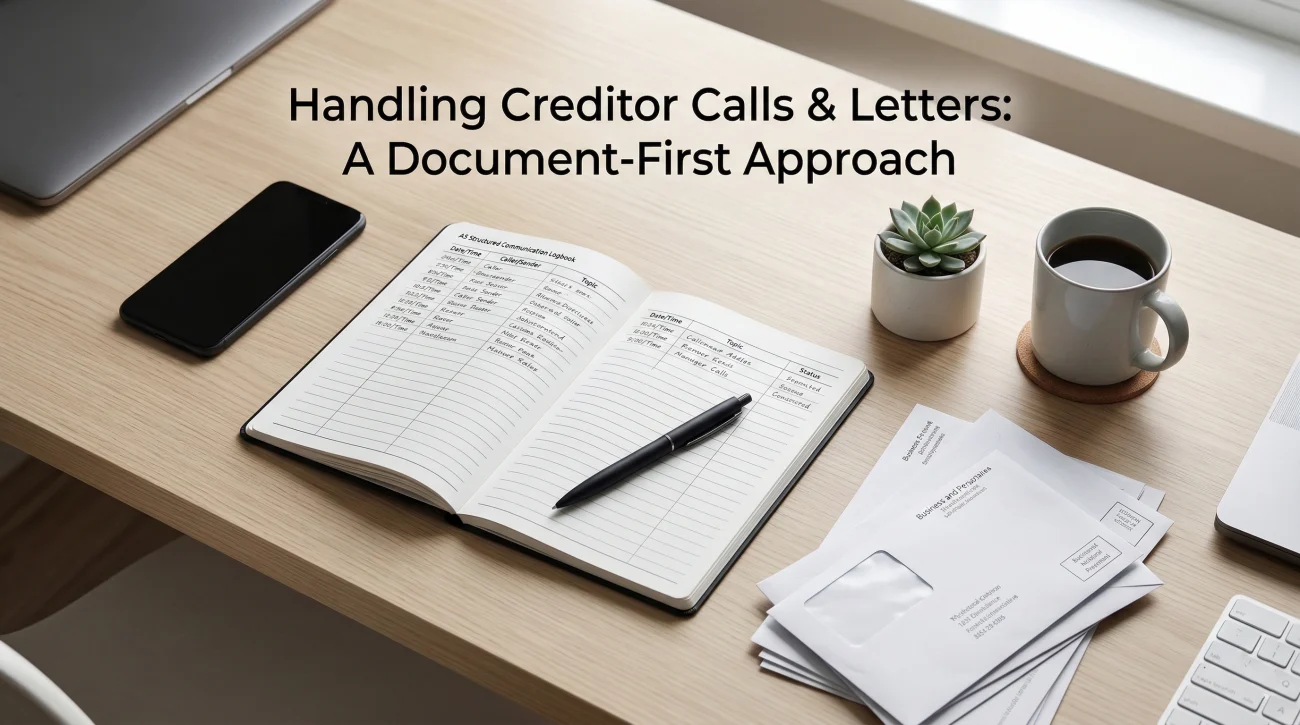
Handling Creditor Calls And Collection Letters As Executor

Handling creditor calls and collection letters as executor is primarily a sorting and documentation task, not a negotiation. Never argue or admit liability on the phone; your only goal is to verify the caller’s identity and shift the interaction to mail. Keep a dedicated communication log to track every interaction, noting dates, names, and claimed … Read more

Executor Records Retention Checklist: What to Keep, How to Label, and Where to Store It

Executor Recordkeeping

Build a simple three-folder system: Authority, Assets, and Transactions. Never name a digital file “scan_1” – use a consistent date-first naming rule so files sort themselves automatically. Keep clear separation between your personal records and the estate’s paperwork to prevent confusion later. Always confirm local record retention timelines with a professional in writing before shredding … Read more

Insolvent Estate: What Changes When There Isn’t Enough Money to Pay Everyone

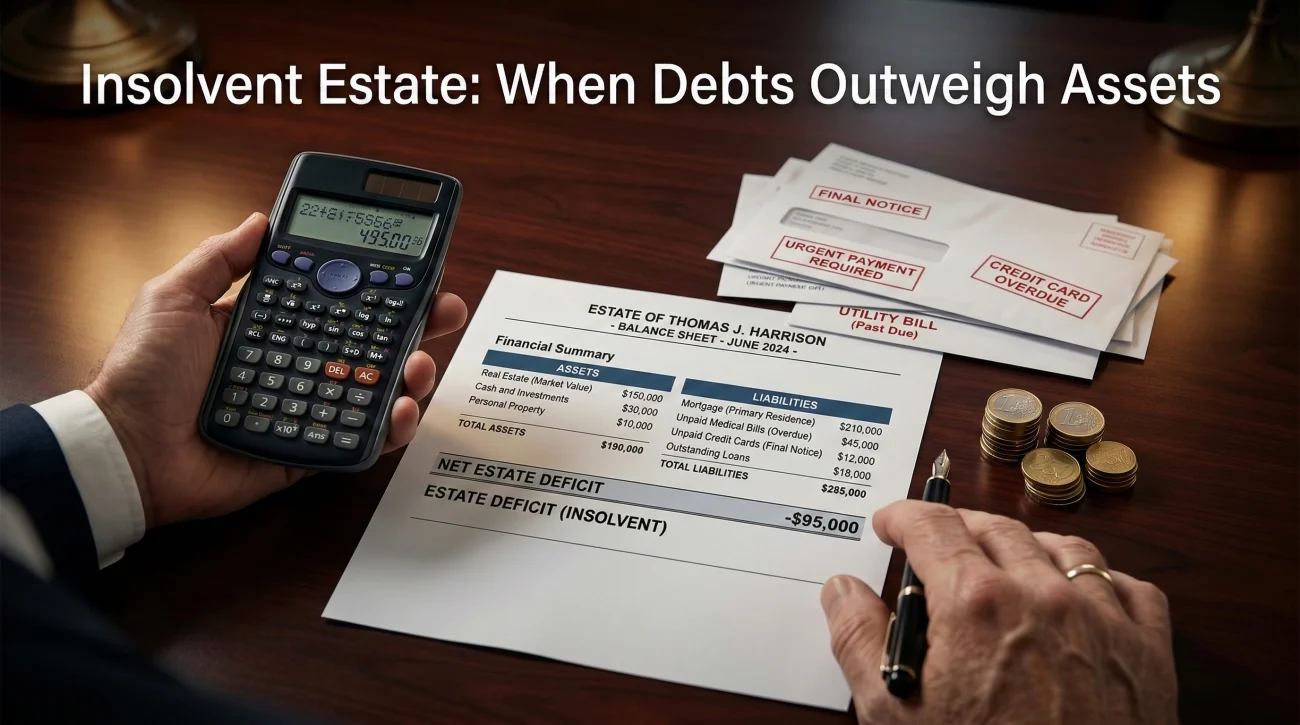
Insolvent Estate Executor

An insolvent estate simply means there is not enough money to pay all the deceased person’s debts; it changes your job from “paying bills” to “freezing payments and logging claims.” Do not guess who should be paid first. Paying an unsecured credit card before knowing the total medical debt can create personal liability for you … Read more

What to Do After You Receive Letters Testamentary: The First 10 Actions

What To Do After You Receive Letters Testamentary

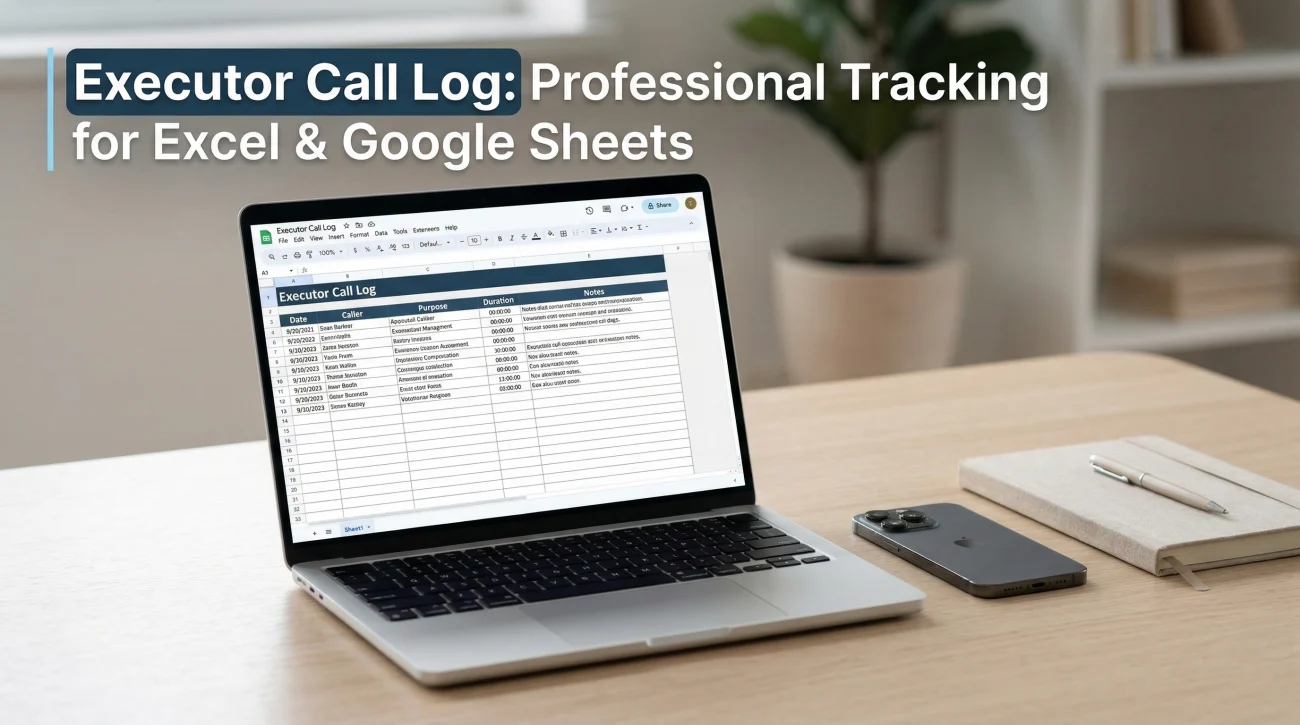
Review and correct: Verify the spelling on your court document immediately and request a clerical amendment if you find any typos before ordering copies. Establish your tracking logs: Create a dedicated call log, document tracker, and decision log before you make a single phone call. Redirect the mail: Go to the post office in person … Read more

Co-Executor First Steps Checklist: How to Stay Aligned Without Chaos

Co-executor Checklist

Stop duplicating work: Two people calling the same institution often triggers security freezes. Designate one “voice” for all official outreach. Divide by function, not by 50/50 split: Assign a Primary Contact, a Document Lead, and a Finance Tracker based on individual strengths. Create a single source of truth: Set up one shared folder with strict … Read more

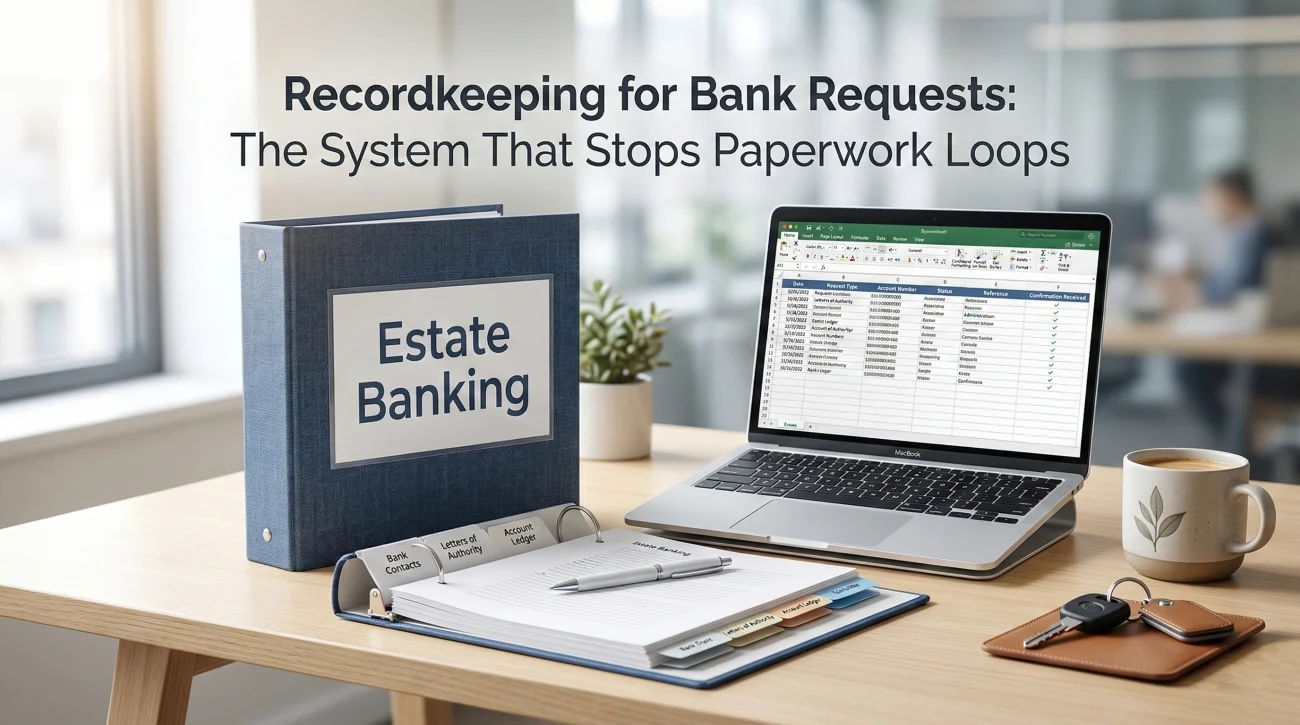
Recordkeeping for Bank Requests: The Minimal System That Stops Repeat Paperwork Loops

Recordkeeping For Executor Bank Requests

The core issue: Banks frequently ask for the same documents multiple times because executors submit files without a clear, traceable map connecting the document to the bank’s specific requirement. The solution: Implement a focused tracking framework using a Request Map (what they asked for) and a Document Map (what you sent and when). Isolate the … Read more

Estate Administration Expenses: What Usually Counts, What To Keep, and What Raises Questions

Estate Administration Expenses

Estate administration expenses are the necessary “operating costs” required to safely manage, protect, and settle the deceased person’s affairs. There is a strict line between maintaining an asset (like fixing a leaking pipe) and improving it (like upgrading a bathroom). Estates pay for maintenance, not improvements. A practical expense log needs more than just amounts. … Read more