Executor Documents Checklist: The Starter Packet People Keep Asking For
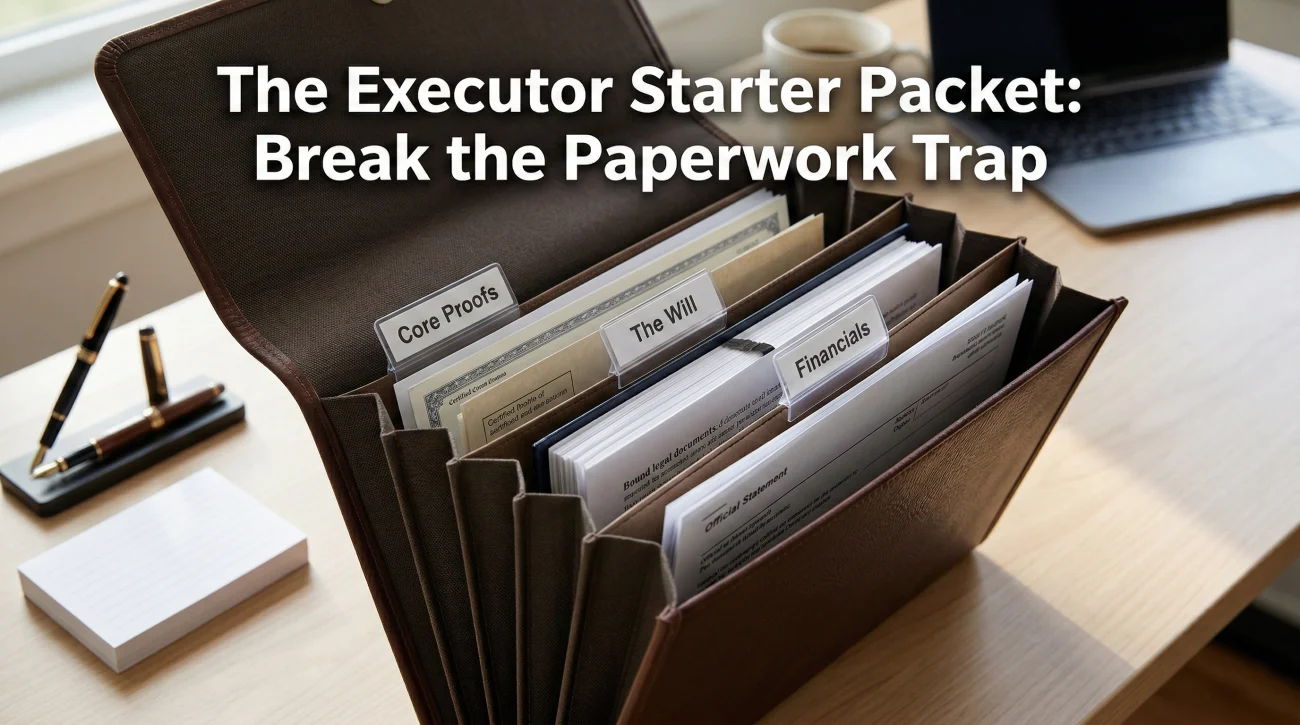
What Documents Does An Executor Need

The “Starter Packet” is a core set of 4 to 5 foundational documents that will unblock 90% of your initial interactions with financial institutions. Banks reject documents primarily due to compliance rules (like KYC laws) and poor digital file hygiene, not just to make your life difficult. Never mail your final physical certified document. Force … Read more
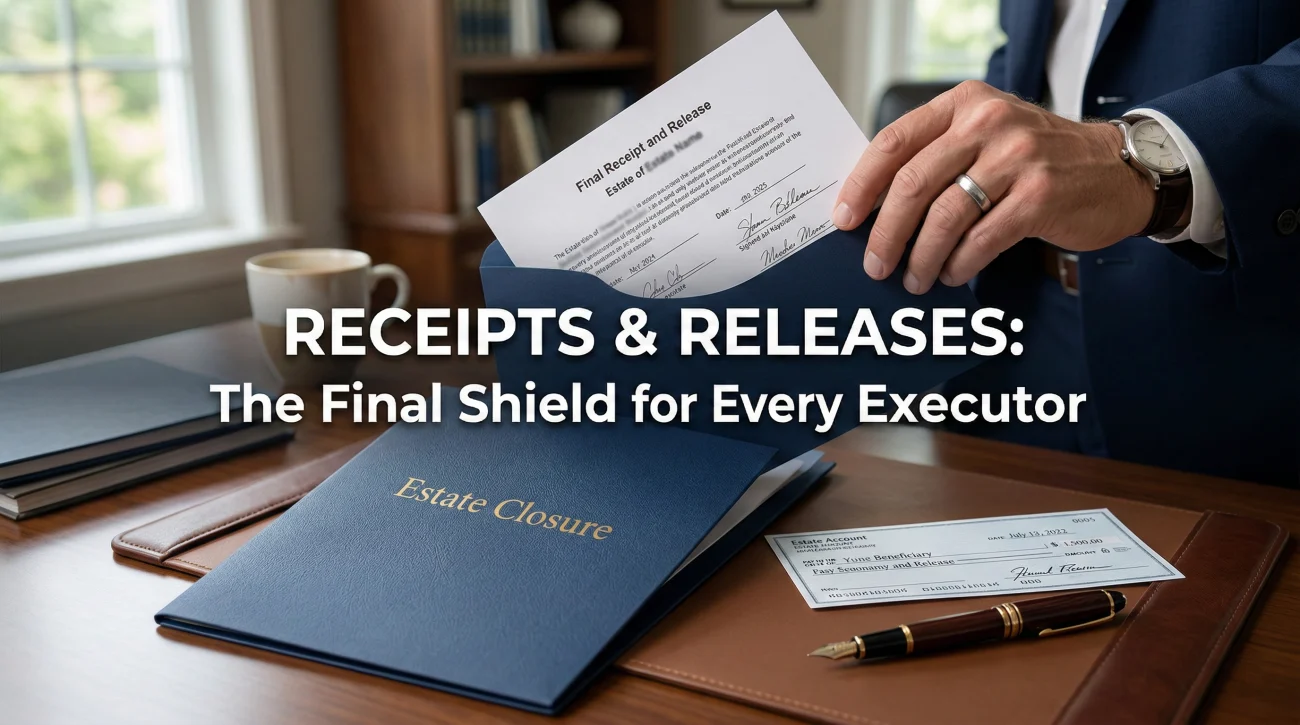
Receipts and Releases: Why Executors Collect Them Before Closing

Receipts And Releases Probate

The core objective: You must create a permanent paper trail connecting the final estate accounting to the physical transfer of assets, protecting yourself from future claims. Two distinct functions: A receipt proves exactly what was delivered, while a release acts as a formal agreement that the beneficiary accepts the math and waives the right to … Read more

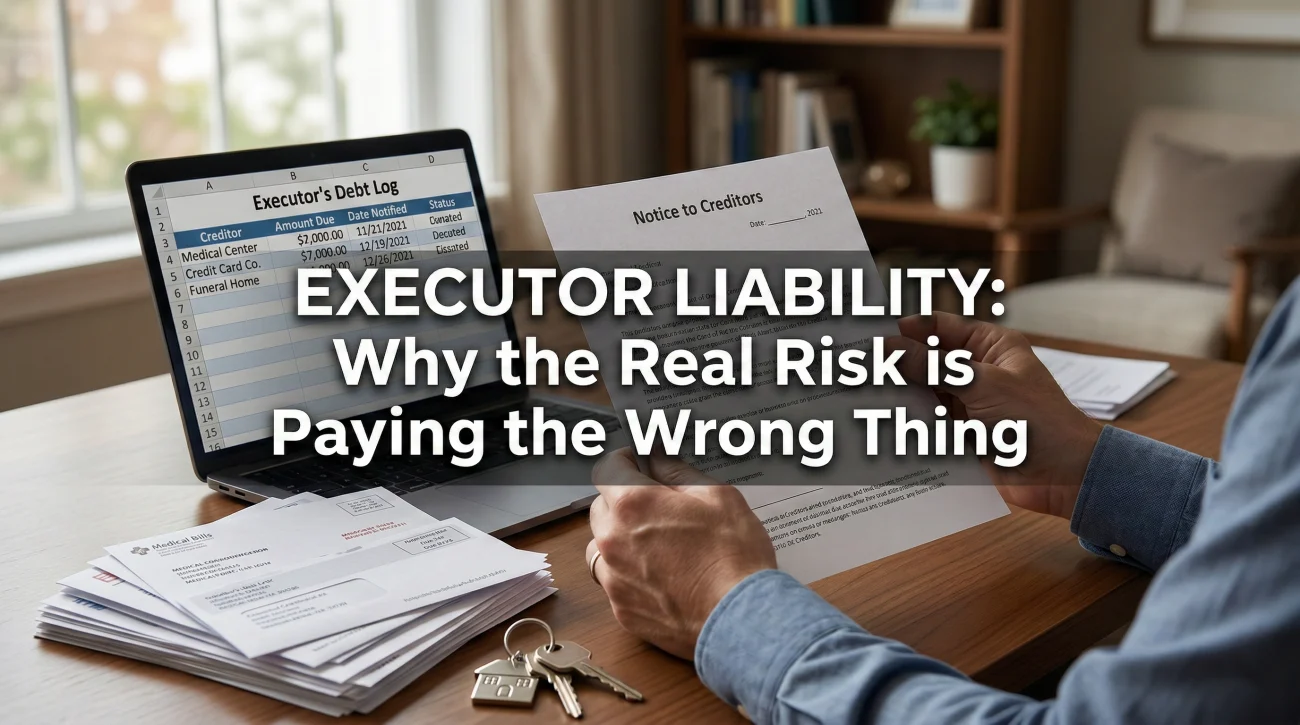
Is an Executor Personally Responsible for Debts? The Real Risk Is Paying the Wrong Thing

Is An Executor Responsible For Debts

The financial obligations left behind belong entirely to the estate. Your risk as an administrator does not come from the debt itself, but from making procedural errors while handling it. Never guess who gets paid first. Paying a lower-priority bill while ignoring a major claim, or distributing money to beneficiaries too early, are the primary … Read more

How to Find All Assets: A Practical Search Checklist for Executors

How To Find All Assets Of A Deceased Person

Expect the discovery phase to take three to six months; use a structured timeline rather than rushing to find everything in week one. Never bypass security by using the deceased’s passwords or Face ID; instead, secure physical devices and look for secondary clues like lock-screen notifications. If paper trails are non-existent, pull IRS Form 4506-T … Read more

Using Letters for Bank Access: What Banks Typically Verify

Letters For Bank Access

The core purpose: Banks use your letters (testamentary or of administration) as a legal shortcut to verify you have the authority to access accounts and information, not just a will showing you were chosen. What banks actually check: Back-office risk departments look for an exact name match, an official court seal (certification), the scope of … Read more

Probate Without a Will: The Court Appointment Process Before You Can Act

Probate Without A Will

The starting reality: When there is no will, no one has the legal authority to access accounts or manage assets until the court officially appoints an administrator. The first 72 hours: Focus entirely on securing physical property, ordering death certificates, and pausing incoming mail. Your core objective: Gather a clear family tree and a structured … Read more

Executor Timeline First Month: A Week-by-Week Sequence That Actually Works

Executor Timeline First Month

Month one is about gaining control, not finishing the job. Focus on securing property, starting your paper trail, and gathering information. Week 1 is for stabilization: securing the house, finding immediate documents, and starting a communication log. Week 2 focuses on authority prep: receiving death certificates, locating the original will, and figuring out local next … Read more

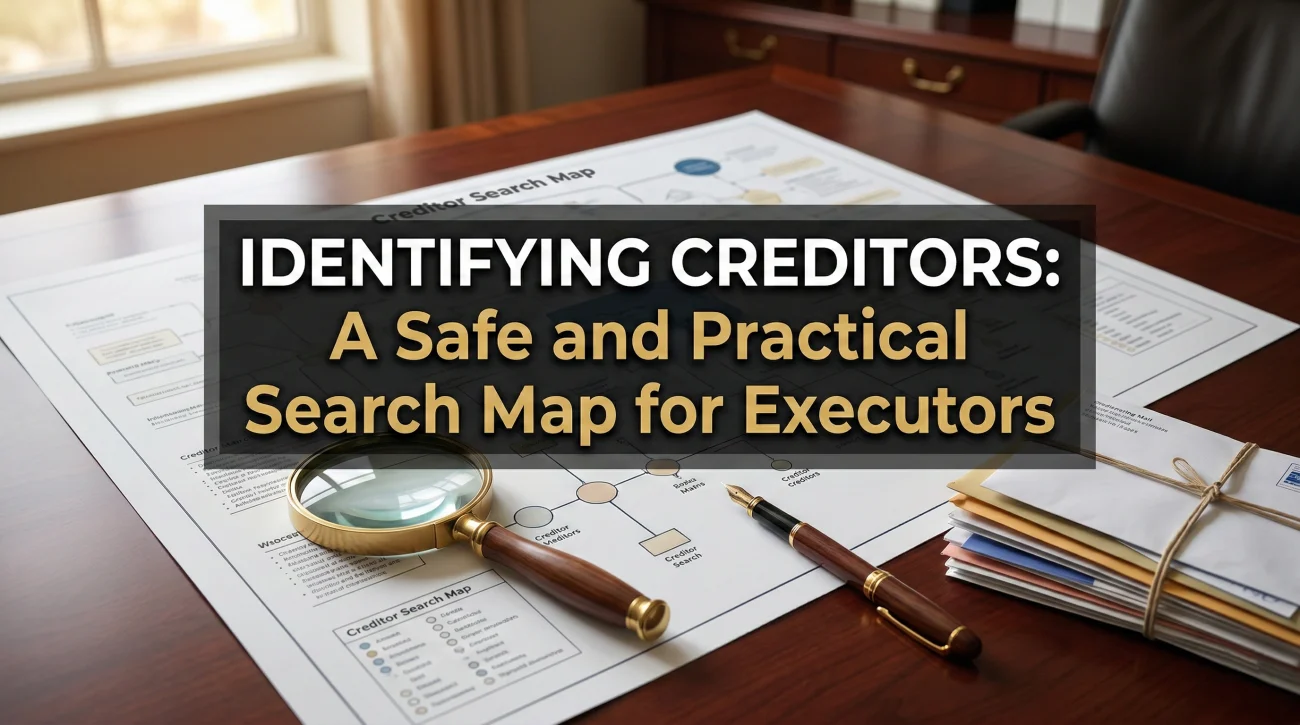
How Executors Identify Creditors: A Safe, Practical Search Map

How To Identify Creditors As Executor

The goal is a structured search, not perfection: You do not need to be a private investigator to identify creditors; you need a methodical, documented process using available records. Use the two-pass method: Start with a quick physical scan of mail and workspaces, then do a deep scan of bank statements to catch hidden auto-pays … Read more

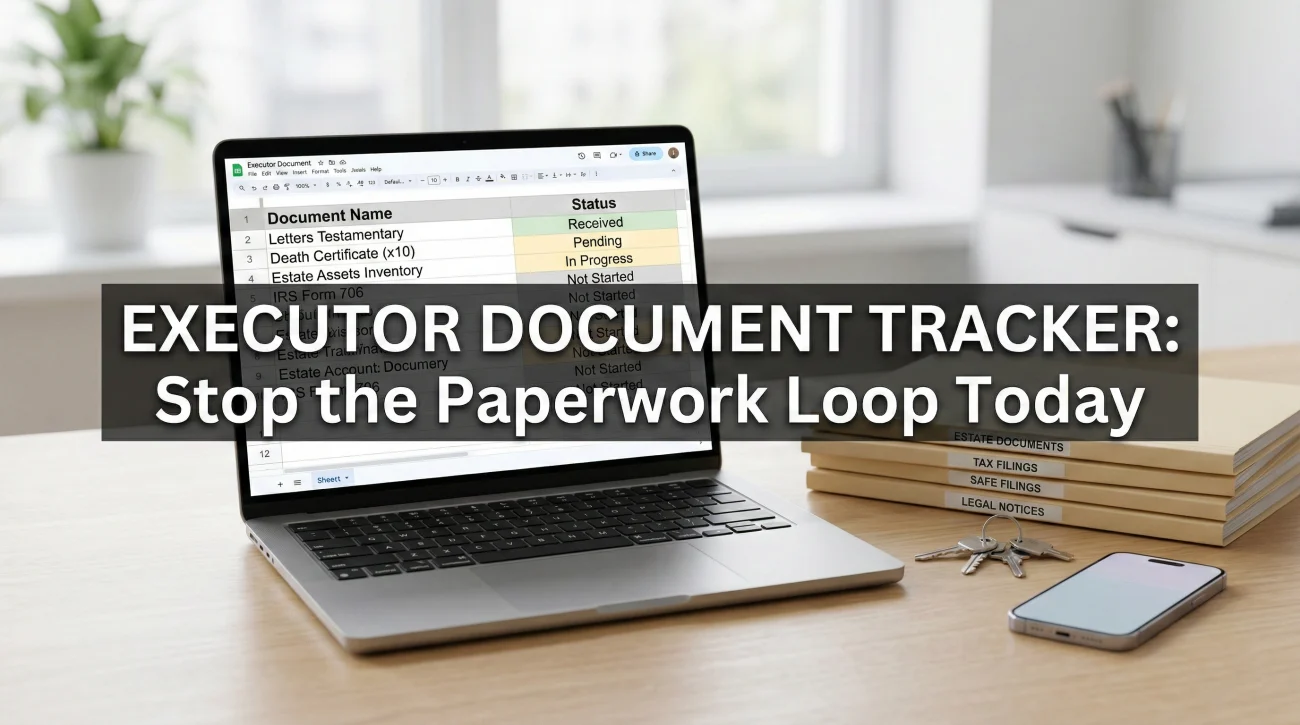
Executor Document Tracker: A Simple System to Stop Repeated Requests

Executor Document Tracker

An executor document tracker records the exact status of every form, letter, and certificate you request or send, preventing the endless loop of “we never received it.” This system focuses purely on the movement of paperwork, separating the act of gathering documents from the broader task of listing estate assets. Using a structured log with … Read more

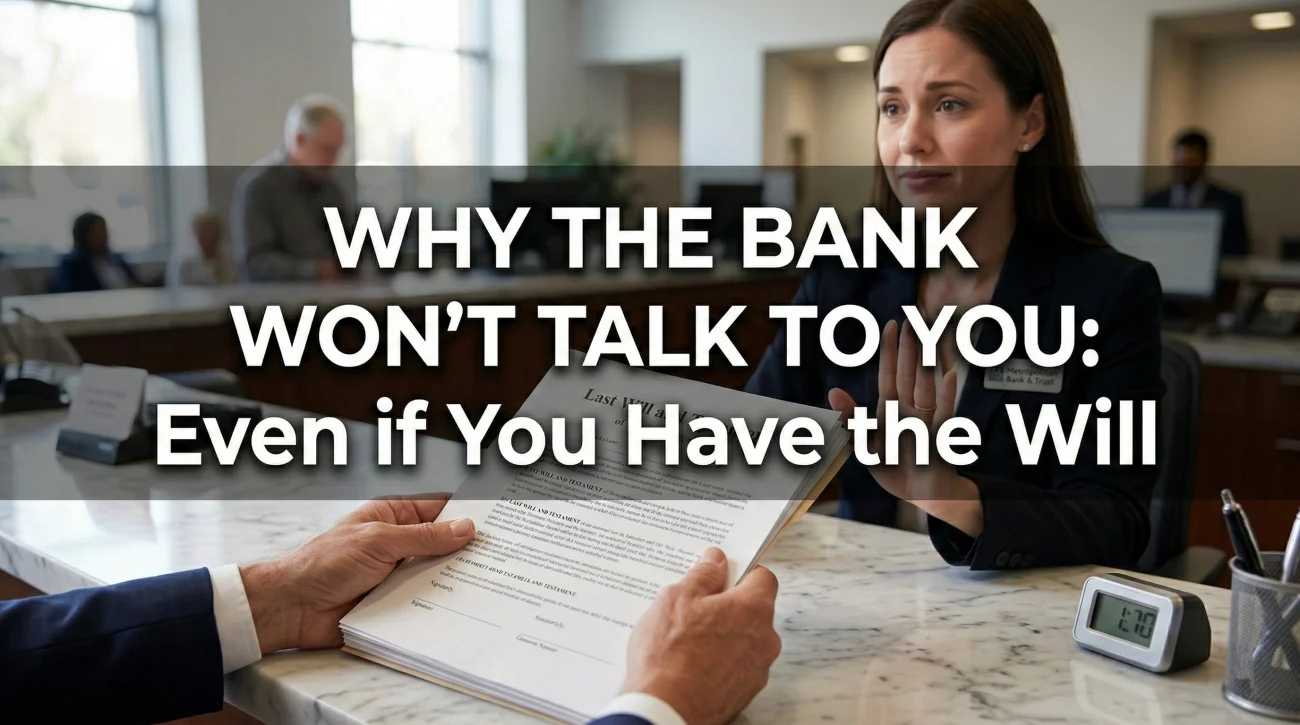
Why the Bank Won’t Talk to You Even If You Have the Will

Bank Won’t Accept Will Executor

A last will and testament is a document of wishes, but it does not automatically grant you legal access to bank accounts. Banks are heavily regulated and typically require proof of court appointment, not just a nomination in a will, to release funds. The type of account ownership (like joint or POD) often overrides the … Read more

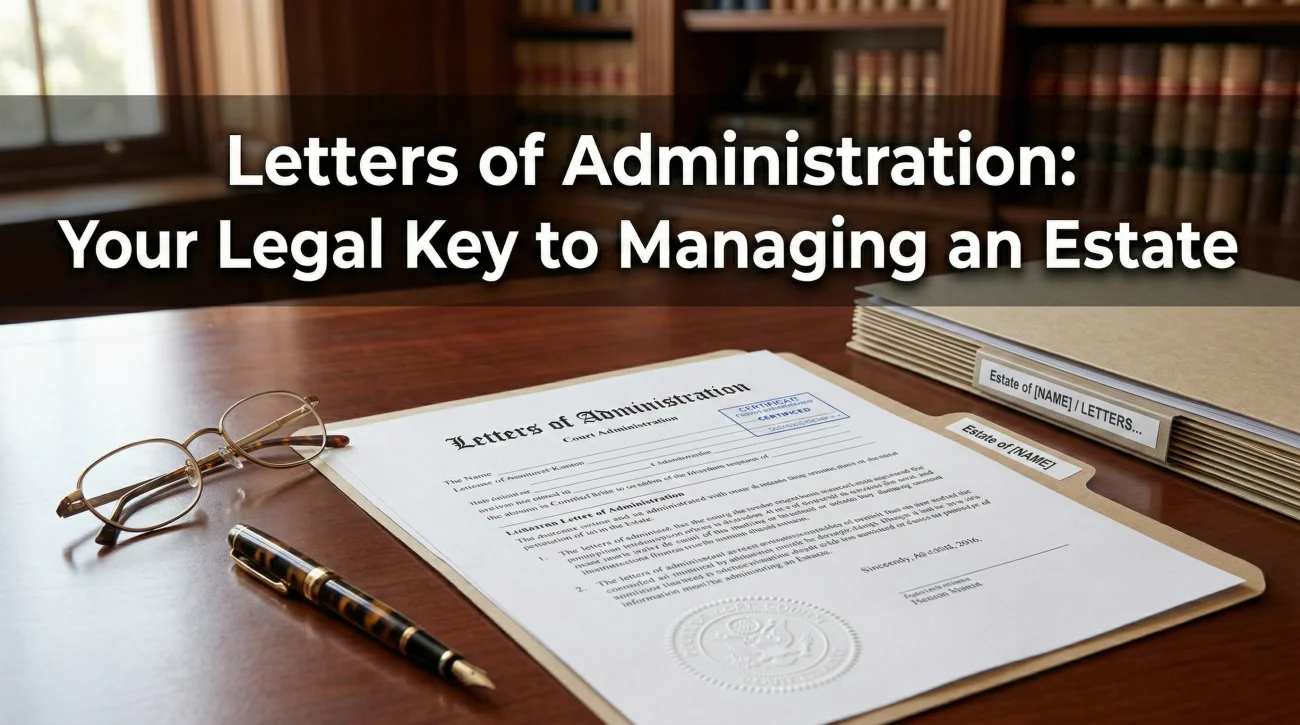
Letters of Administration: What the Document Proves and How It Gets Used

Letters Of Administration

The core purpose: Letters of administration are the official court document that proves you have the legal authority to manage an estate when there is no will. The main unlock: This single document shifts your status from “family member” to “legal administrator,” forcing banks, insurers, and utilities to speak with you. The exemptions: Not everything … Read more

Executor Week One Mistakes: 11 Things That Create Delays Later

Executor Mistakes First Week

The Core Problem: The mistakes you make in the first seven days as an executor rarely cause immediate explosions. Instead, they create massive administrative headaches, delayed approvals, and missing paperwork loops three to six months down the line. Money & Property: Mixing your personal money with estate funds, paying the deceased’s bills too quickly, or … Read more

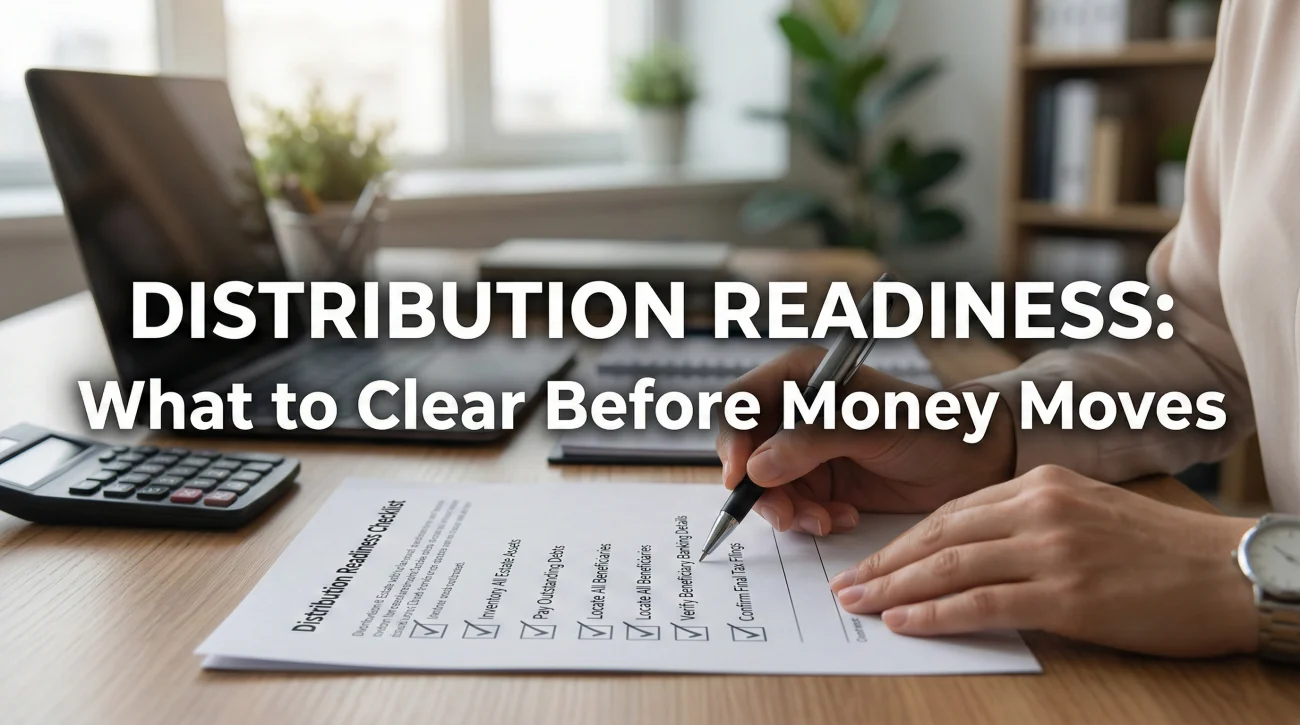
Distribution Readiness Checklist: What to Clear Before Money Moves

Distribution Readiness Checklist

The goal is safety: Distributing estate assets too early is the most common way executors accidentally take on personal financial risk. You need a structured readiness checklist. Verify the core gates: Before money moves, debts must be stable, tax lanes identified, assets fully pooled, beneficiary disputes addressed, and a readable accounting draft must exist. Holdbacks … Read more

Notice to Creditors: What It Is, Why It Matters, and What Executors Should Track

Notice To Creditors Probate

A notice to creditors is not about inviting bills; it is a formal way to establish a clear timeline and protect the estate from surprise claims years down the road. Executors must differentiate between “known” creditors (who usually get direct communication) and “unknown” creditors (who are addressed by public publication). The most critical part of … Read more

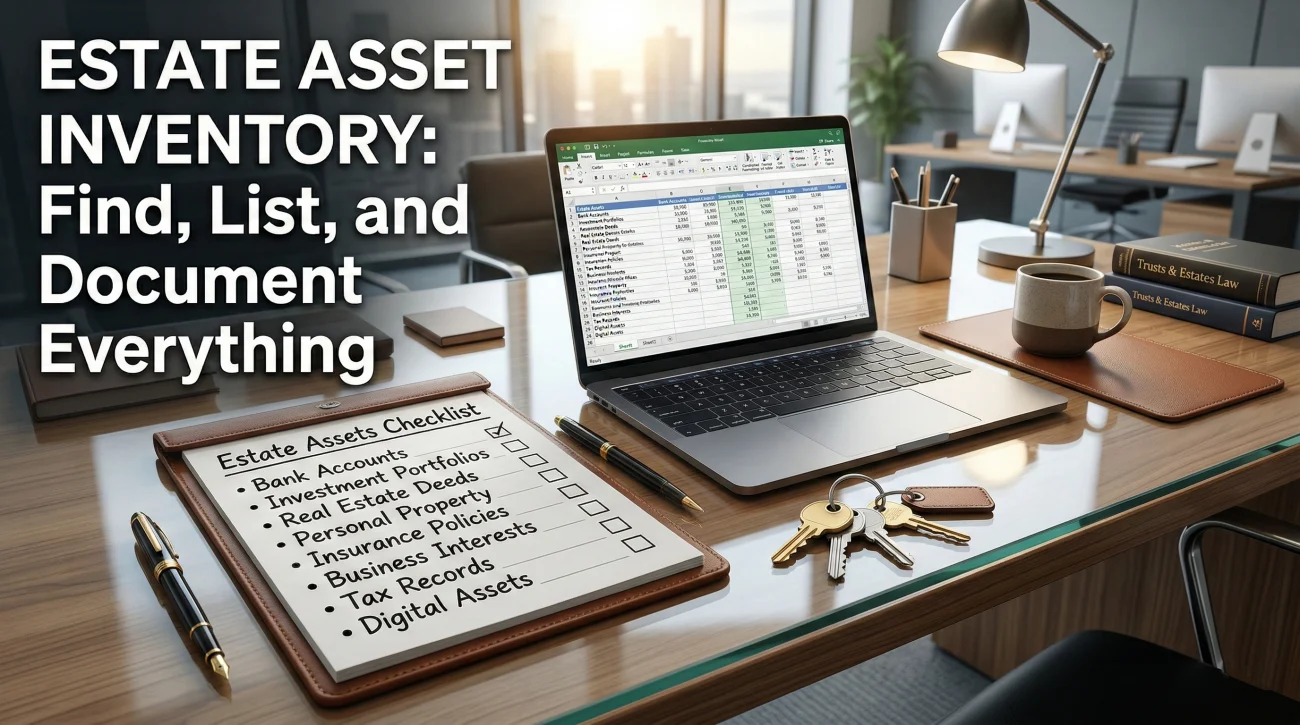
Estate Asset Inventory Checklist: Find, List, and Document Everything

Estate Asset Inventory Checklist

An estate asset inventory checklist is a working document that tracks what exists, where the proof is stored, and the current status of each item. Do not confuse this tracking list with official court forms; this is your personal organizational system to prevent missing items. Always map every listed asset directly to a piece of … Read more