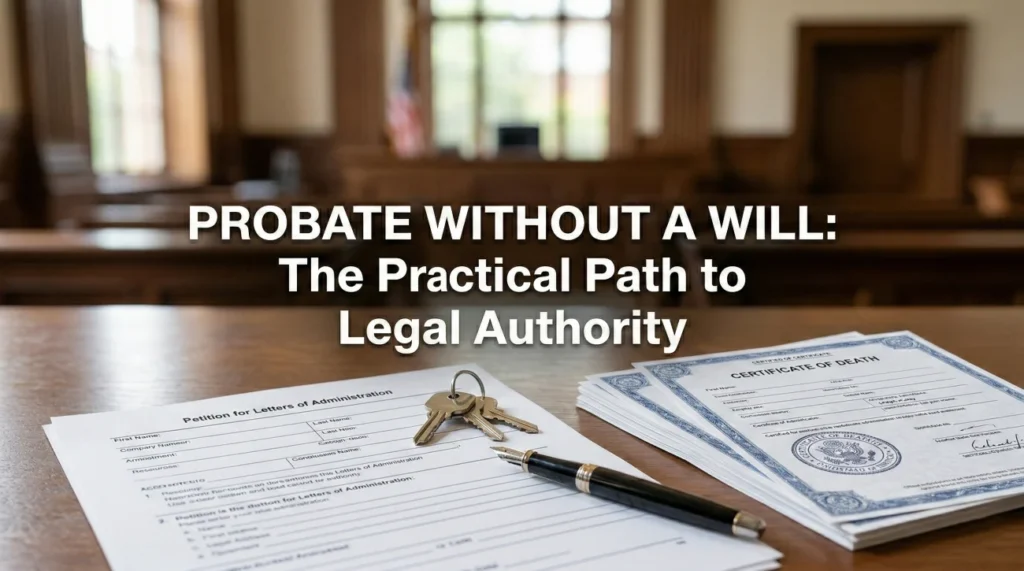
- The starting reality: When there is no will, no one has the legal authority to access accounts or manage assets until the court officially appoints an administrator.
- The first 72 hours: Focus entirely on securing physical property, ordering death certificates, and pausing incoming mail.
- Your core objective: Gather a clear family tree and a structured snapshot of assets so the court has the information it needs to grant authority.
- The output: The process ends with the court issuing “Letters of Administration,” which is the exact document you need to finally open an estate bank account and handle debts.
Navigating the Initial Standstill When There Is No Will
Stepping up to handle an estate is overwhelming on a good day. But when you discover there is no will, that overwhelm is often matched by a sudden and frustrating administrative brick wall. I have sat with many families who thought they could simply show a death certificate to a bank manager and start paying the deceased’s final bills. Instead, they are met with locked accounts, closed doors, and a firm request for court documents.
In my experience helping families map out their administrative workflows, this initial phase is where the most anxiety happens. You feel the pressure of incoming bills and a house that needs to be maintained, yet you lack the legal key to do anything about it. Without a will naming an executor, the court must step in to appoint an “administrator.”
My goal here is to walk you through the practical reality of the court appointment process. We will not be diving into legal strategy or state-specific inheritance laws. Instead, I want to share the organizational framework you need to get through this phase smoothly. If you need to see how this specific phase fits into your overall timeline for gaining legal authority, I highly recommend reviewing our complete probate court checklist for executors before you begin.
What to Do the First 72 Hours: Securing the Baseline
When you realize there is no will, the immediate instinct is often to rush to the courthouse. However, before you can file anything, you need to secure the physical and informational baseline of the estate.
During the first few days, your checklist should be highly tactical. Lock the primary residence, secure all vehicle keys, and ensure any pets are safely relocated. You should also forward the deceased’s mail to your address. This ensures that no critical vendor notices or hidden asset statements sit unattended in a mailbox.
⚠️ Warning: Do not attempt to log into the deceased person’s online banking or use their debit card to pay bills right now, even if you know their passwords. Accessing accounts using their credentials after they have passed is a common mistake that complicates the official accounting later.
Finally, order multiple certified copies of the death certificate. I usually recommend ordering between five to ten copies depending on the size of the estate, as the court and major financial institutions will require originals.
The Authority Gap: Why the Estate Remains Frozen
To understand the court appointment process, you first have to understand why third parties react the way they do. When a person passes away without a will (dying “intestate”), their individual assets are frozen by default. This is a protective measure.
Think of it from the bank’s perspective. They do not know your family dynamics. They do not know if there are other siblings or undisclosed debts. If a bank hands over the funds to the first person who walks in, they take on massive liability. Therefore, they rely entirely on the probate court to vet the family.
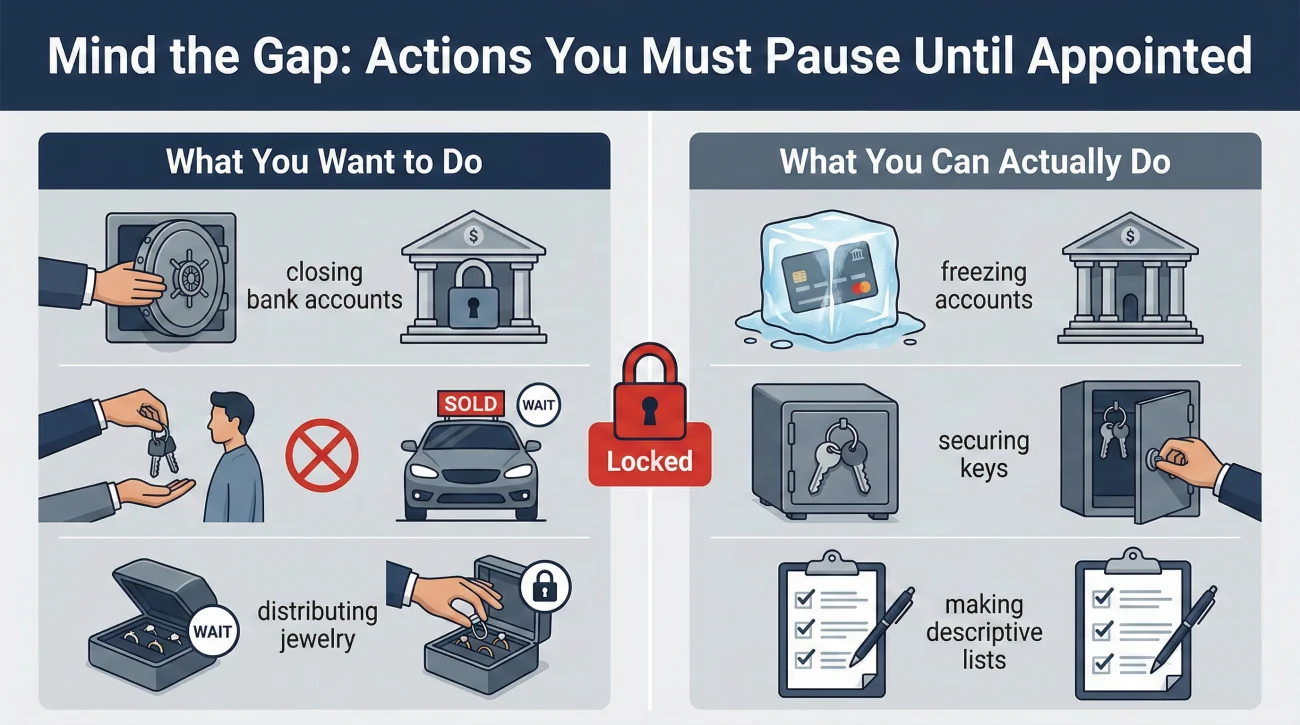
I often refer to this waiting period as the “authority gap.” During this window, your job is not to act on behalf of the estate but to gather raw data. Understanding the difference between what you want to do and what you actually can do will save you a lot of frustration.
| What Families Often Try to Do | What You Actually Have Authority to Do |
|---|---|
| Close bank accounts and move money | Notify the bank of the death so they can freeze the account safely |
| Cancel out utility accounts entirely | Call utilities to note the file and ask about hold policies |
| Sell the deceased’s car to a neighbor | Park the car safely, secure the keys, and maintain the insurance |
| Distribute jewelry or tools to family | Secure the physical property and start making a descriptive list |
Building Your Master Data Sheet Before You File
The biggest favor you can do for yourself is to build an organized “appointment packet” before you ever interact with the court system. When families approach the clerk’s office with a plastic grocery bag full of loose mail, the process grinds to a halt. When you approach with a central document, things move efficiently.
Create a “Master Data Sheet” on a computer or a legal pad. You will use this single source of truth to fill out every court form so your data remains perfectly consistent.

1. Core Identity and The Family Tree
Start with the deceased’s full legal name, social security number, and primary residential address at the time of death. Next, map the family. Because there is no will, the court relies on default inheritance laws and needs an objective list of all potential heirs.
- 📄 Full legal names of the surviving spouse, children, and potentially parents or siblings
- 📄 Current mailing addresses for every individual
- 📄 Dates of birth to identify any minors
2. The Asset Snapshot Mini-Template
To appoint you, the court needs an estimated value of the estate to determine if you need a protective bond. You do not need exact statements down to the cent yet. You need a practical snapshot. I recommend drafting a simple table just like this one to bring to the clerk:
| Asset Category | Description & Institution | Estimated Value |
|---|---|---|
| Real Estate | Primary home (123 Main St) – Tax Assessed Value | $250,000 |
| Bank Accounts | Chase Checking (ends in 1234) | ~$5,500 |
| Vehicles | 2018 Ford F-150 (Kelly Blue Book est.) | ~$18,000 |
| Life Insurance | State Farm Policy (No named beneficiary) | $50,000 |
The Universal Stages of the Court Appointment Process
Once your Master Data Sheet is built, you are ready to engage the court. While every local courthouse has its own unique forms, the underlying logic of probate without a will follows a consistent pattern. Knowing these stages helps you track your progress.
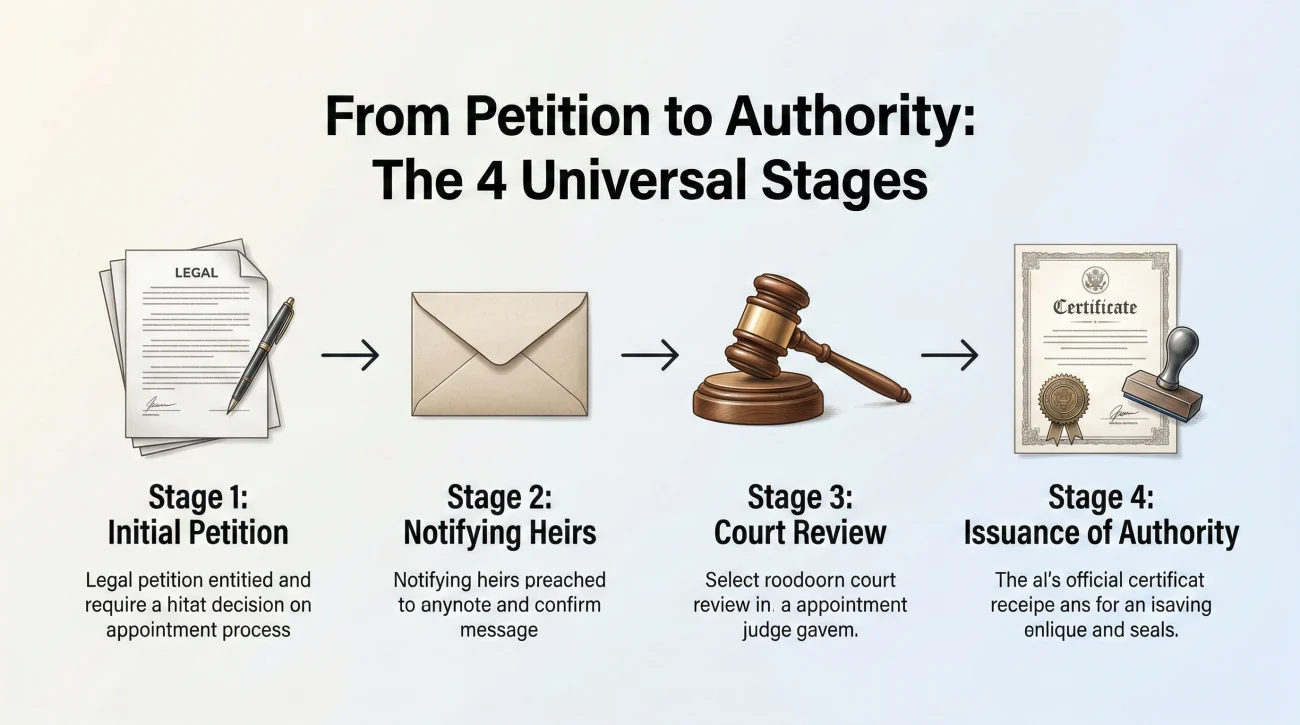
Stage 1: The Initial Petition
Someone steps forward and files a formal request asking the court to open the estate and appoint them as the administrator. This is where you submit the data you just organized to give the court a clear starting picture.
Stage 2: Notifying Interested Parties
Before appointing you, the court wants to ensure that anyone who might have a right to inherit is aware of the situation. This involves sending formal notices via mail to the people on your family tree.
Stage 3: The Review Period
Depending on the jurisdiction, there may be a formal hearing in front of a judge or a simple clerk review. If your paperwork is organized and the family is in agreement, this review is often a smooth procedural step.
Stage 4: Issuance of Authority
If the court is satisfied and there are no objections, they officially appoint the administrator and issue the documents you need to act on behalf of the estate.
Navigating Common Roadblocks: Family Friction and Mail Panic
Even with perfect paperwork, the process can get bogged down by administrative missteps or family disagreements. Here are the hurdles I see most often and exactly how to manage them.
Managing Family Consent
If multiple people have an equal right to serve as the administrator (for example, three adult children), the court generally prefers that one person is chosen and the others formally agree to step aside using a “waiver” or “consent to serve.”
Key Point: I often see cases where family members lose valuable time casually arguing over who should apply, while late fees quietly pile up. The court simply will not move forward until mutual consent waivers are signed. Courts ignore verbal agreements; they need it in writing.
Keep your family communication boring, factual, and strictly focused on the process. Here is a safe template to use when coordinating paperwork:
Subject: Update on Mom’s estate and the court process
Hello everyone,
I am currently gathering the initial documents needed to open Mom’s estate with the court. Because there is no will, the court requires us to formally apply to have an administrator appointed before we can access her bank accounts.
I am willing to handle the administrative paperwork. To help the process move faster, the court will need a signed consent form from each of us. I will be sending those forms around next week.
Right now, everything is paused and safe. I will keep a central log of any mail that arrives and share updates as soon as the court gives us the next steps.
Handling Incoming Mail and Bills During the Wait
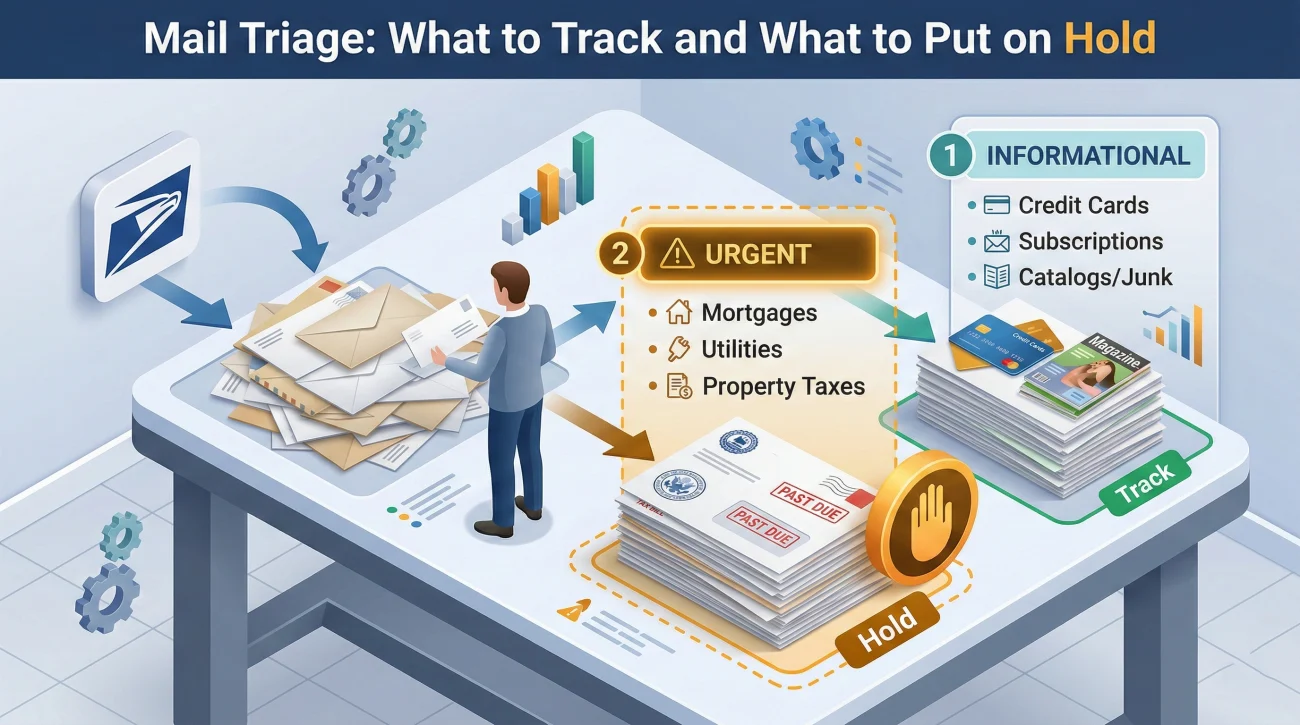
While you wait for the court, the mail will not stop. You will see mortgage statements, utility warnings, and credit card bills. Many families panic and make rash decisions with their own personal money.
📌 Note: Do not pay the deceased’s unsecured debts (like credit cards) from your own personal checking account. Reimbursing yourself later can be an incredibly complex process.
Instead, create a triage system for the mail. Sort it into two piles: “Informational” (credit cards, subscriptions) and “Urgent” (mortgages, utility shut-offs, property taxes).
Call the essential vendors, inform them of the death, and state that the estate is currently in the court appointment process without a will. Most institutions will place a temporary hold on the account.
What if the mortgage is about to default? This is the most common fear. Communicate directly with the lender immediately. Many have specific grace periods for deceased accounts. If a family member absolutely must pay the mortgage out of pocket to prevent an active foreclosure, document the payment clearly as a loan to the estate, but consult with a professional before writing that check.
The Final Output and Your Next Steps
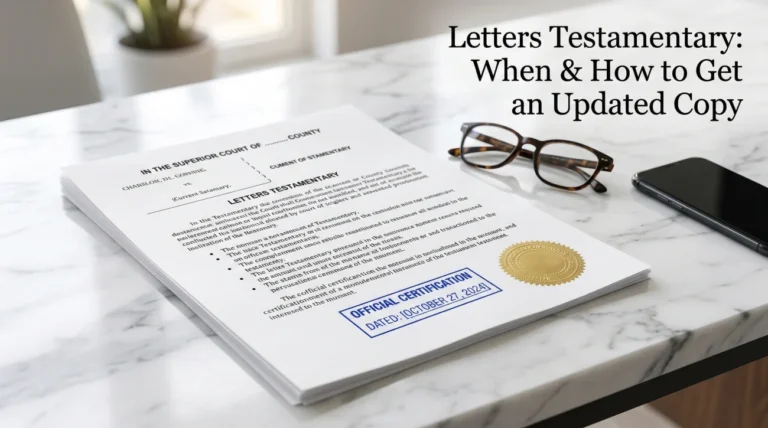
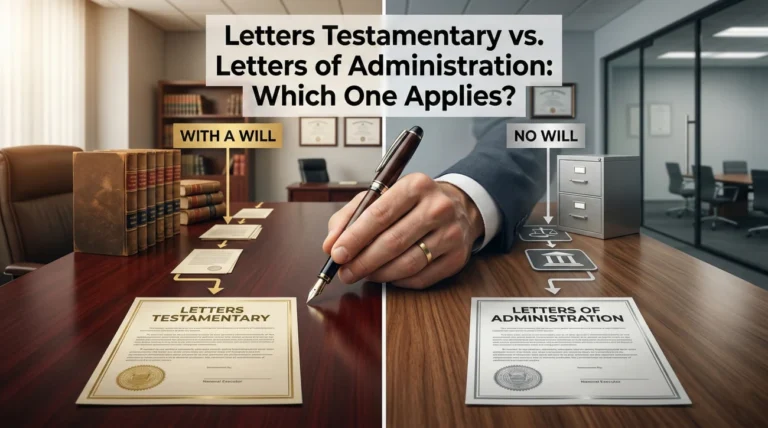
All of this gathering and waiting leads to one specific goal: acquiring the official document that proves you are in charge. When a person dies with a will, the court issues “Letters Testamentary.” But when the probate without a will process is complete, the court issues Letters of Administration.
It is a formal, stamped court certificate confirming that you have been granted legal authority to act as the administrator. Once you have this document in your hand, the standstill is over.
So, what do you do the day after you receive them? Your very next step is to take your certified Letters of Administration and the original death certificate to the bank. You will formally close the deceased’s frozen accounts and open an Estate Bank Account. From there, you can consolidate the funds and begin paying those bills you have been holding onto safely.
Getting to this stage means the administrative standstill is finally behind you, and your focus will fully shift to managing the estate’s actual assets and creditors.
Final Thoughts on Preparing for Appointment
Walking through the initial probate process requires a shift in mindset. You must transition from feeling helpless about locked accounts to feeling proactive about your paperwork. You cannot control the speed of the local court system, but you have absolute control over the clarity of the information you provide to them.
Start by building that master data sheet. Secure the family’s consensus early. Keep your communication factual, and maintain a strict log of every piece of mail you receive. By approaching this waiting period methodically, you will be fully prepared the moment the court officially hands you the reins.
❓ FAQ
📄 What if we find a will after the administrator is already appointed?
If a valid will is discovered later, you must immediately notify the probate court. The court will typically pause the current intestate process, review the newly found will, and potentially revoke the Letters of Administration to appoint the executor named in the document.
⏱️ How long does the waiting period usually last?
Depending on the county’s backlog and how fast you can secure signatures from all heirs, the waiting period between filing your petition and receiving authority can range from a few weeks to several months.
💳 Can funeral expenses be paid before court appointment?
Many banks have exceptions that allow funeral expenses to be paid directly from the deceased’s frozen bank account if you present a formal funeral home invoice and a death certificate. You must ask the bank’s estate department directly about this policy.
🏛️ Does the state seize all the money if there is no will?
No. The state only takes the assets (escheatment) if absolutely no surviving blood relatives can be found. In almost all normal scenarios, the assets will eventually be distributed to your family according to default state inheritance rules.
🛑 How do I stop automatic drafts while waiting for the court?
You can stop automatic payments by notifying the bank of the death. Once the bank verifies the passing with a death certificate, they will freeze the account, which automatically halts all outgoing drafts.
🧑⚖️ Do I legally have to hire an attorney to become administrator?
While the law in many jurisdictions does not strictly require an attorney, most administrators choose to hire one. Navigating the family notices, bond requirements, and court filings without a will is highly procedural, and professional guidance helps ensure everything is filed smoothly.
🔍 How do I prove to the court that no will exists?
You cannot strictly prove a negative. Instead, you will generally be required to sign a sworn oath stating that you have conducted a diligent, thorough search of the deceased’s home, safe deposit boxes, and files, and no will was discovered.
🤝 What happens if family members refuse to sign the consent waiver?
If heirs with equal priority refuse to consent to your appointment, the paperwork stalls. The judge will have to schedule a formal hearing, listen to both sides, and make a binding decision on who is most fit to manage the estate.
🏡 Who pays the property taxes while we wait for authority?
Property taxes continue to accrue. If a family member pays them out of pocket to prevent penalties, they should keep pristine records. Once the estate is open and funded, that person can submit a claim to the estate for reimbursement.
📝 Does the administrator get paid for their time?
Yes, administrators are generally entitled to reasonable compensation from the estate for their work. However, you cannot pay yourself until the court officially appoints you and, in many cases, approves the fee structure.
⚠️ Disclosure: I'm not an attorney and nothing on this site is legal or tax advice. The content covers process, organization, and workflow—the operational side of estate administration. For legal interpretation, jurisdiction-specific deadlines, contested situations, or tax matters, please work with a licensed professional in your state.