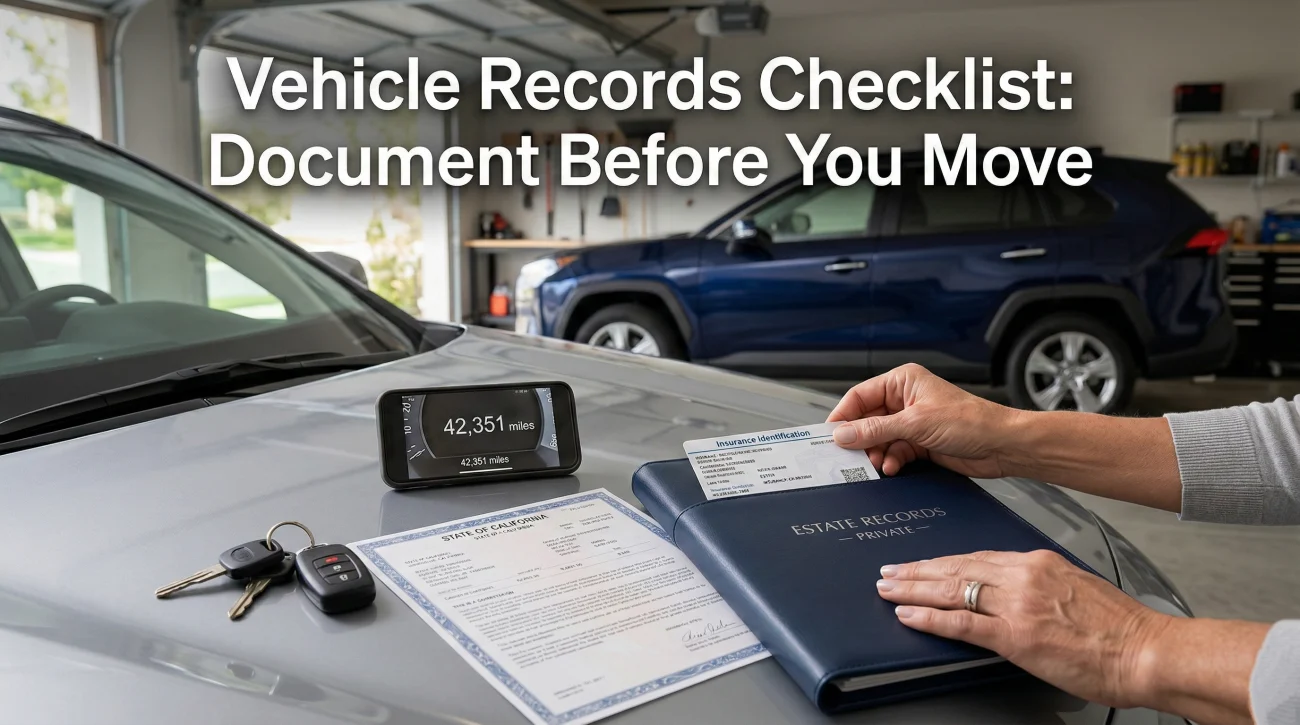
Vehicle Records Checklist: What to Capture Before Any Transfer or Sale
Executor Vehicle Checklist

Do not let anyone drive the vehicle or attempt a title transfer until you have captured all current data, photos, and paperwork. Locate the physical title, current registration, and insurance policy, and map these documents to your master inventory table. Take date-stamped photos of the odometer, VIN, and exterior/interior condition to freeze the asset’s status … Read more
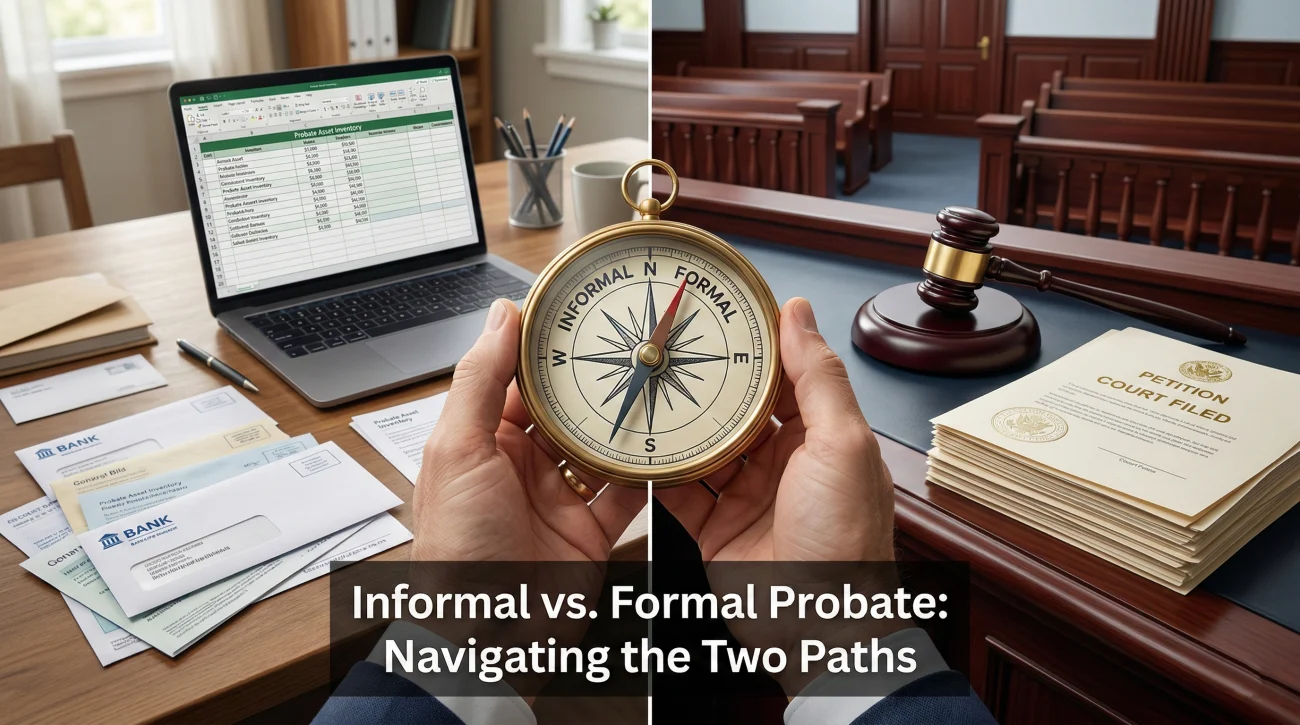
Informal vs. Formal Probate: What’s Different and Why It Matters to Executors

Informal Vs Formal Probate

The core difference: Informal probate relies on paperwork and mail, while formal probate involves direct court supervision, hearings, and mandatory approvals before you can take action. Your workload changes: Formal processes require meticulous tracking. You must prove every penny spent and request permission before selling assets. Communication is key: The path you take directly affects … Read more

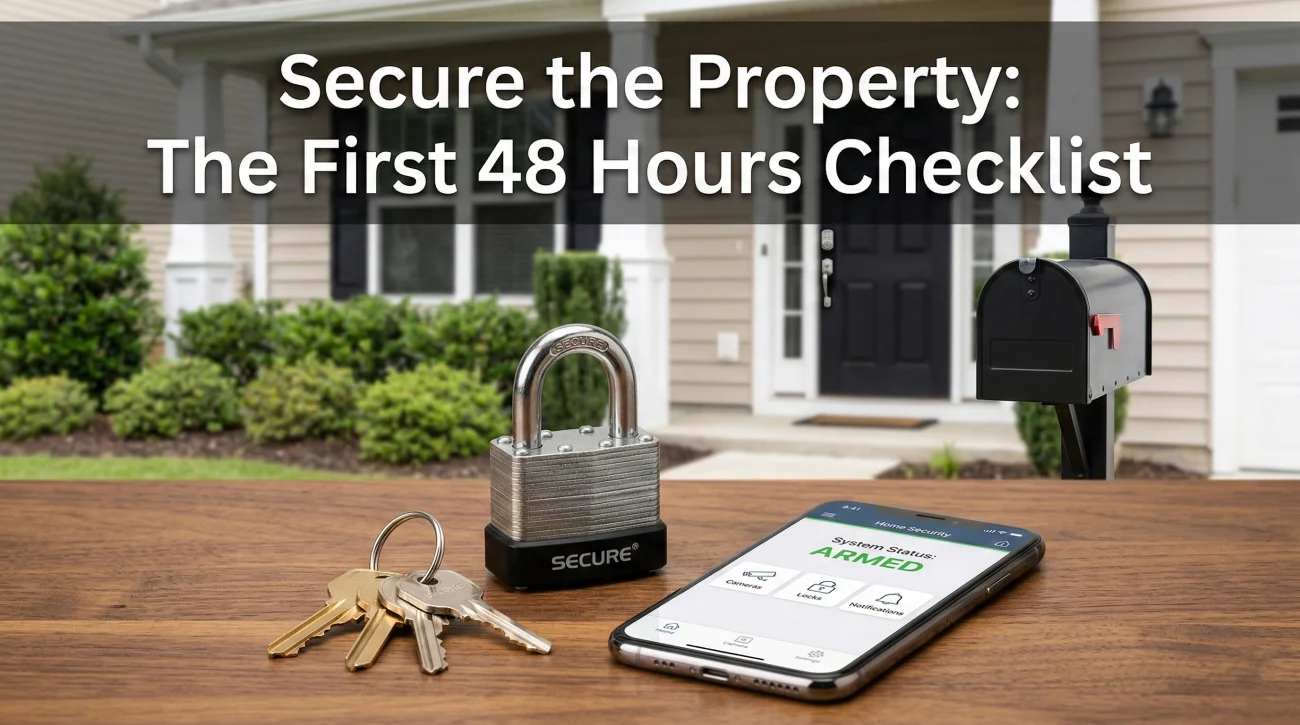
Secure the Property After Death: House, Mail, and Identity Theft Checklist

Secure House After Death Checklist

Control the Perimeter: Limit access immediately. Collect outstanding keys and establish a visual baseline of the home’s contents before anyone starts sorting. Prevent Insurance Voidance: Notify the homeowner’s insurance about the vacancy to ensure the policy remains active. Keep climate control running to prevent structural damage. Stop the Mail Pile-up: Request a 30 day hold … Read more

No Original Will Found: What Executors Can Do Next

No Original Will Found

Stop panicking: It is very common to only find a photocopy or no will at all in the first few days. Take a breath and do not assume the worst. Follow the paper trail: Contact the attorney listed on any drafts, check for safe deposit boxes, and reach out to the deceased’s financial advisors. Document … Read more

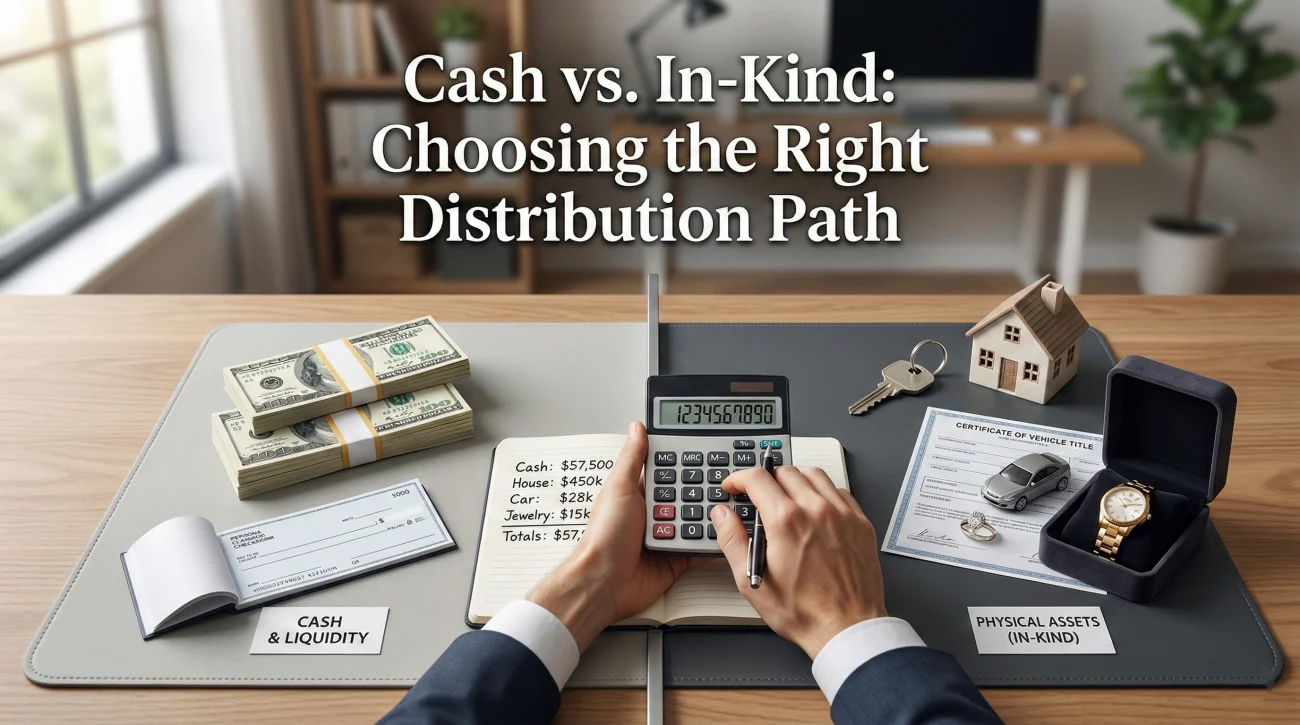
Cash vs In-Kind Distribution: The Tradeoffs Executors Explain to Beneficiaries

Cash Vs In-kind Estate Distribution

Every method has a cost: Cash distributions divide easily but depend on unpredictable market timelines. In-kind distributions transfer instantly but require heavy paperwork to prove fair valuation. Equalization requires math: If one person takes a large asset like a house, they often have to use personal funds to buy out the estate so the other … Read more

Secured Debts After Death: Mortgages and Car Loans, and Why the Asset Changes Everything

Secured Debts After Death - Mortgages And Car Loans

The debt follows the asset: Secured debts are tied to a specific physical item, meaning the lender typically retains rights to that property if payments stop. Ownership dictates action: Before worrying about payments, verify if there is a surviving co-signer, if the property is in a trust, or if mortgage protection insurance exists to clear … Read more

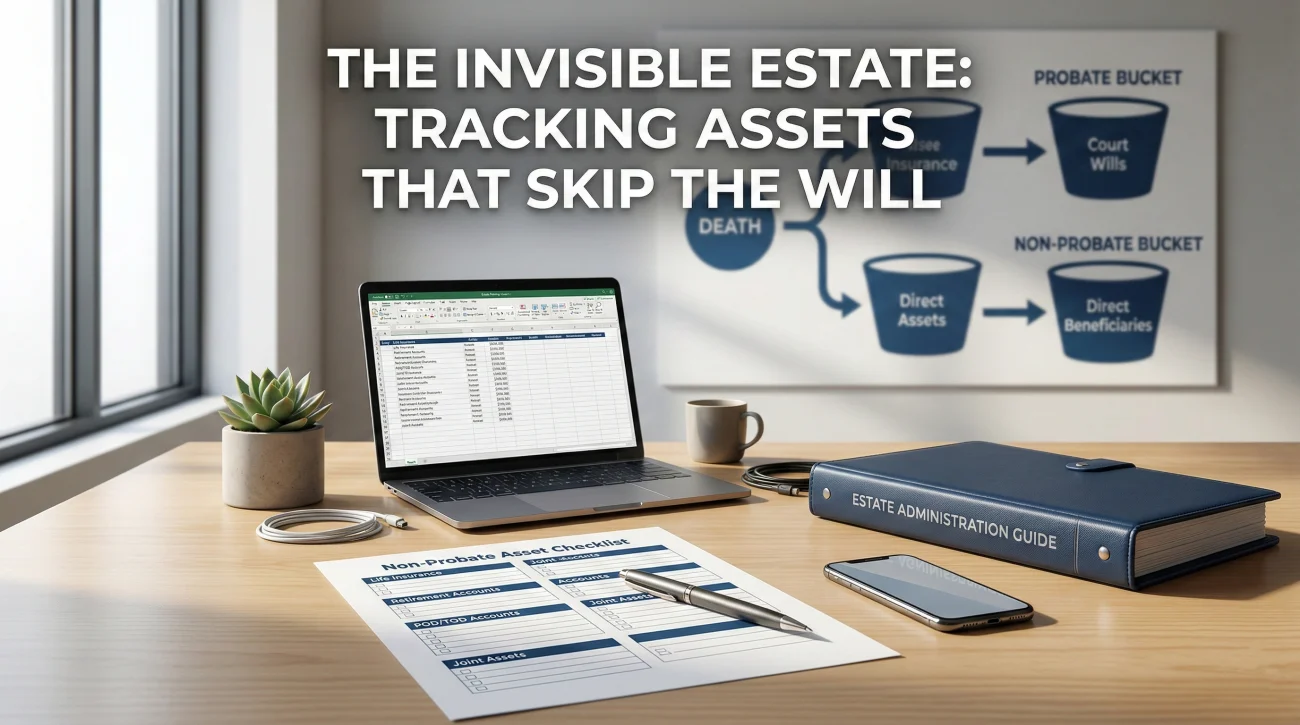
Non-Probate Assets Checklist: What Often Bypasses the Estate and How to Track It

Non Probate Assets Checklist

The core separation: A non-probate asset checklist helps you identify accounts and properties that transfer directly to someone else via built-in contracts, completely outside the traditional court process. The printable tracker: Use our structured template below to log the asset type, suspected mechanism, date contacted, and receipt of written confirmation. Red flags to watch for: … Read more

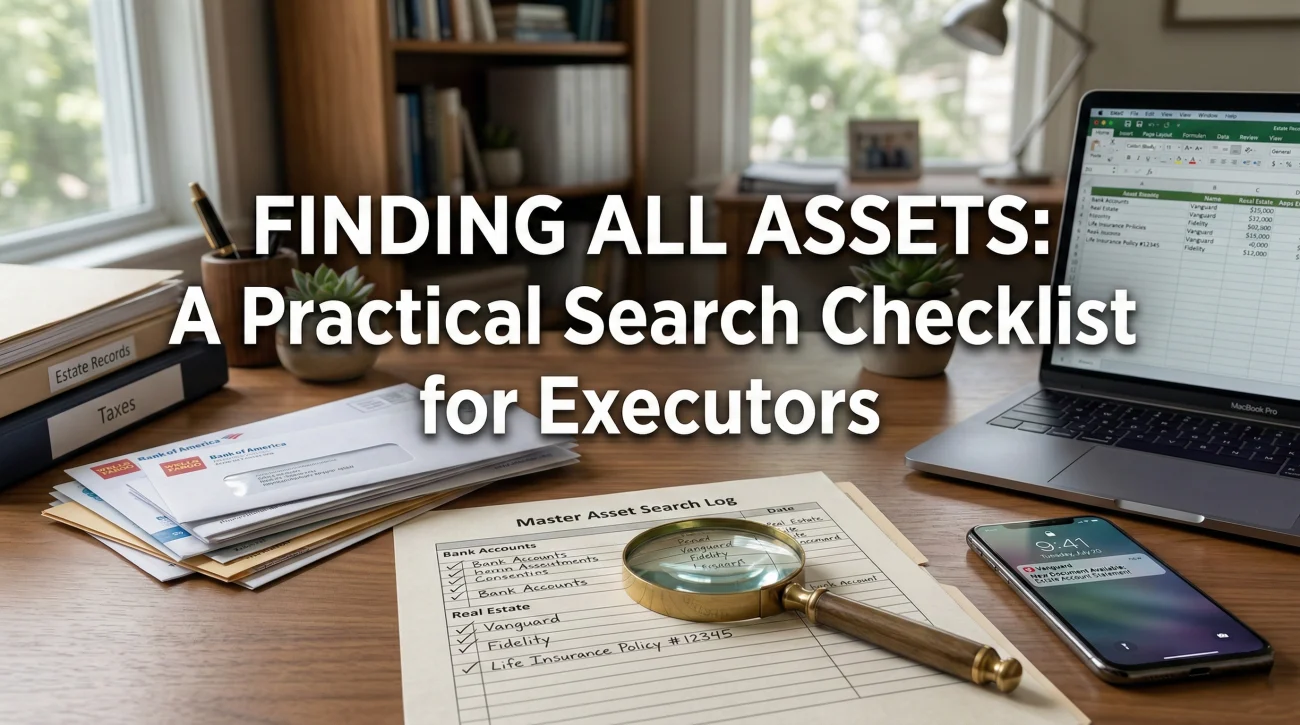
How to Find All Assets: A Practical Search Checklist for Executors

How To Find All Assets Of A Deceased Person

Expect the discovery phase to take three to six months; use a structured timeline rather than rushing to find everything in week one. Never bypass security by using the deceased’s passwords or Face ID; instead, secure physical devices and look for secondary clues like lock-screen notifications. If paper trails are non-existent, pull IRS Form 4506-T … Read more

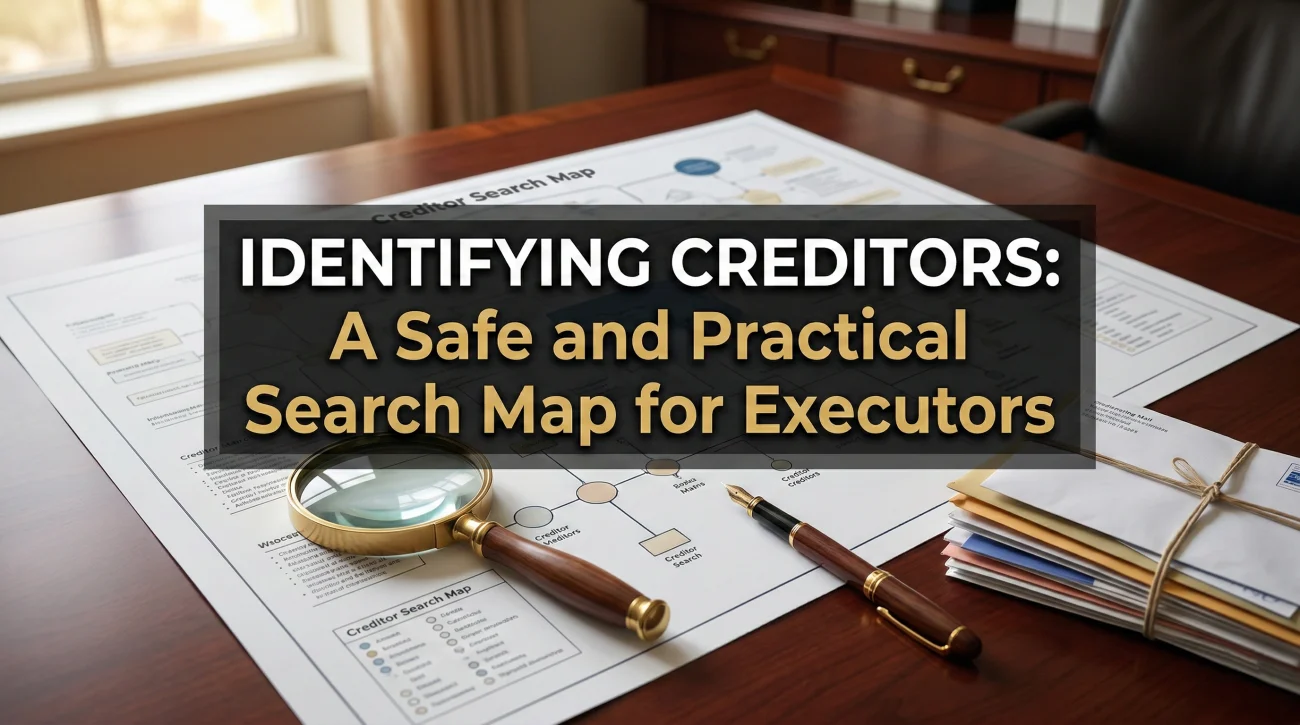
How Executors Identify Creditors: A Safe, Practical Search Map

How To Identify Creditors As Executor

The goal is a structured search, not perfection: You do not need to be a private investigator to identify creditors; you need a methodical, documented process using available records. Use the two-pass method: Start with a quick physical scan of mail and workspaces, then do a deep scan of bank statements to catch hidden auto-pays … Read more